Charting Feedback Mechanisms Between Promotional Structures and Retention Metrics Across Digital Wagering Platforms
Written by Jordan Russell · Jun 15, 2026
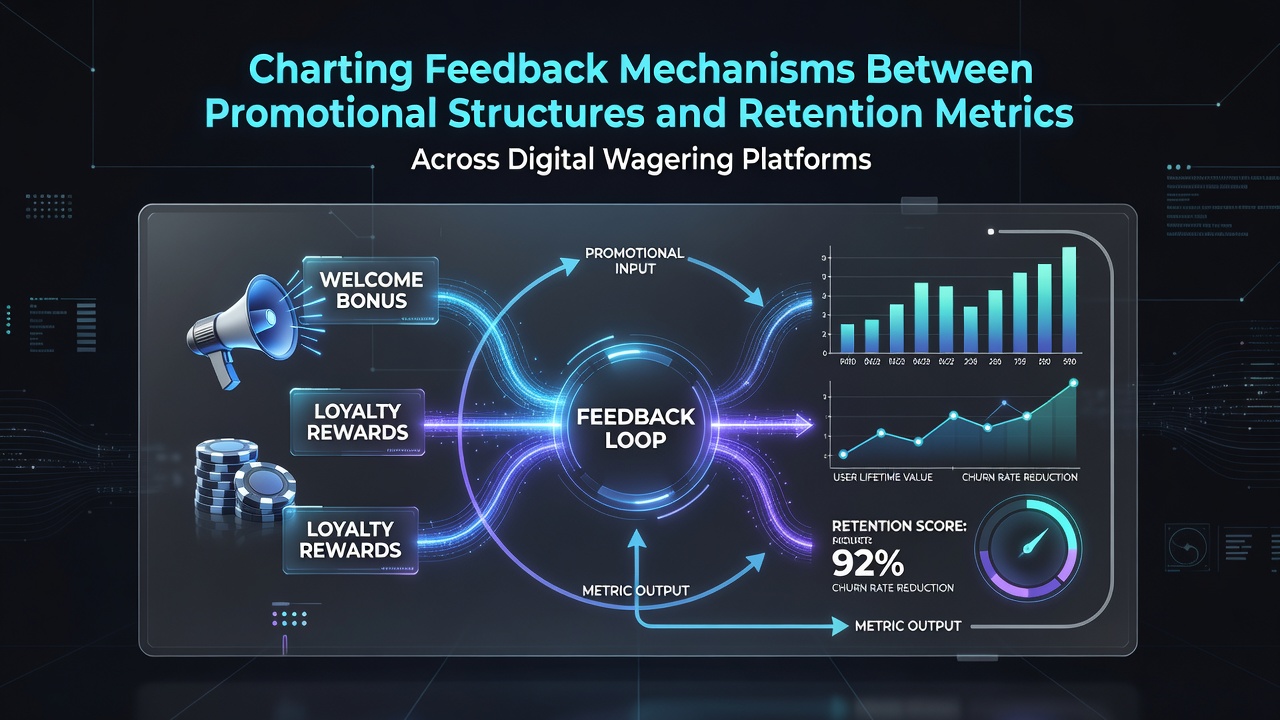
Charting Feedback Mechanisms Between Promotional Structures and Retention Metrics Across Digital Wagering Platforms
Digital wagering platforms rely on interconnected systems where promotional structures feed into retention metrics and those same metrics shape future promotional decisions in continuous cycles, and operators collect data on bonus uptake, deposit frequency, and session duration to adjust reward tiers accordingly. Research from industry bodies shows these loops operate across multiple markets with operators in North America and Europe using similar tracking tools yet adapting them to local regulations. Figures from platform analytics indicate that targeted welcome bonuses correlate with higher first-month activity levels while ongoing loyalty programs tie more closely to longer-term player persistence rates.
Core Components of Promotional Structures
Promotional structures on these platforms include deposit matches, free spins, cashback offers, and tiered loyalty rewards that activate based on wagering volume or deposit patterns, and each element carries specific triggers designed to encourage repeat engagement. Data collected from user accounts reveals how quickly players respond to time-limited promotions compared with recurring rewards, while operators monitor redemption rates alongside average bet sizes to determine which offers drive sustained participation. According to reports issued by the New Jersey Division of Gaming Enforcement, platforms operating under state licenses track promotional effectiveness through standardized key performance indicators that feed directly into retention calculations.
Retention Metrics and Measurement Practices
Retention metrics encompass churn rates, repeat deposit ratios, average revenue per user over defined periods, and lifetime value projections that platforms calculate using aggregated behavioral data. Observers note that these measurements often incorporate cohort analysis where groups of players acquired through specific promotions are followed over weeks or months to identify drop-off points. Studies conducted by academic researchers at institutions such as the University of Nevada, Las Vegas have examined how bonus wagering requirements influence the length of time players remain active before reducing activity or leaving platforms entirely.
Feedback Loops in Practice
Feedback mechanisms emerge when retention data prompts adjustments to promotional parameters such as bonus percentages, eligibility thresholds, or reward frequency, and platforms test these modifications through controlled rollouts that compare outcomes against control groups. In June 2026 several major operators released updated dashboards that integrated real-time retention signals with promotional engines allowing automated scaling of offers for segments showing early signs of disengagement. The process creates iterative improvements where successful promotions are expanded and underperforming ones are revised or retired based on measurable retention shifts.
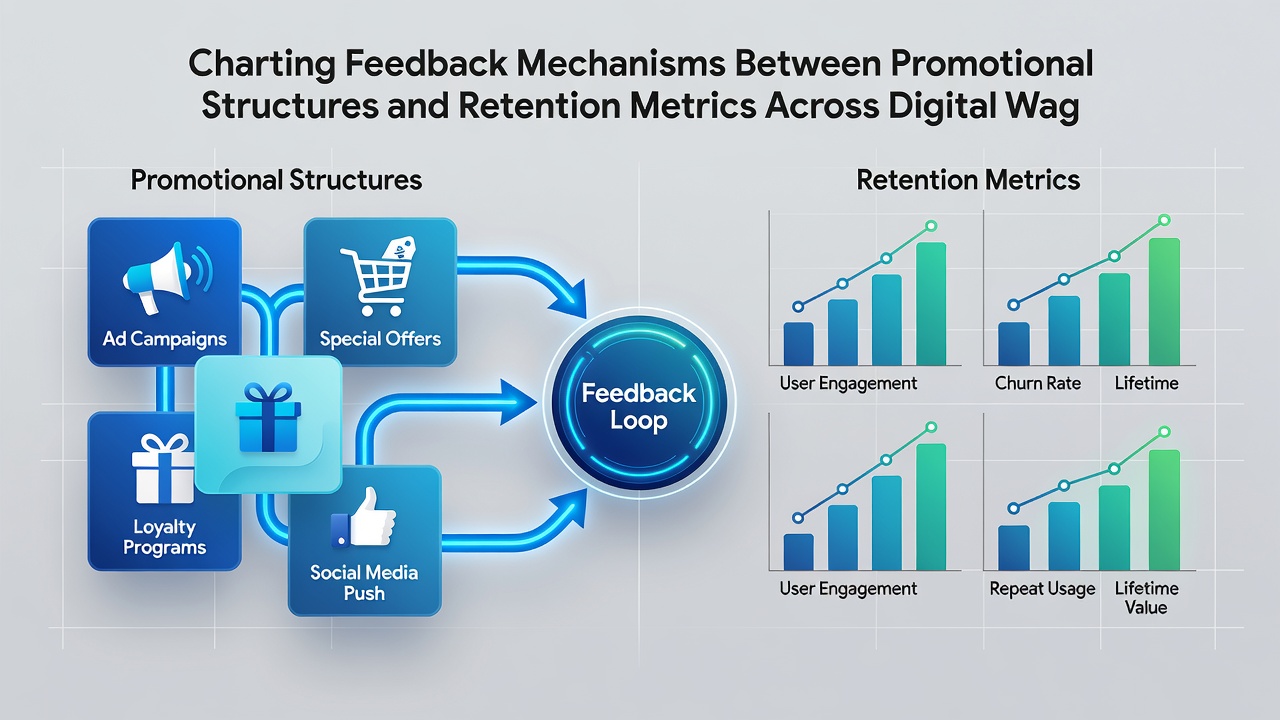
Operators also examine cross-promotional effects where one type of bonus influences participation in another category, for instance free spin offers leading to increased sports betting activity among certain user groups. Figures released by iGaming Ontario demonstrate that platforms in regulated Canadian markets have refined these linkages through continuous A/B testing that measures both immediate response and subsequent retention windows. Those adjustments occur at scale because digital systems record every interaction and feed the results into centralized databases used by marketing and product teams.
Regional Variations in Implementation
Platforms serving different jurisdictions apply distinct constraints that affect how feedback mechanisms function, with some markets limiting bonus sizes or requiring specific disclosure formats while others permit more flexible structures. Australian operators under oversight from state commissions have documented how regulatory caps on promotional value influence the speed at which retention improvements appear in their datasets. European platforms meanwhile navigate varying national rules that require separate tracking for each licensed entity yet still share common analytical approaches to linking promotions with player longevity.
Data Sources and Analytical Tools
Analysts draw from transaction logs, session recordings, and customer support interactions to build comprehensive pictures of how promotional structures influence retention, and machine learning models increasingly assist in identifying subtle patterns across large datasets. Reports from the American Gaming Association highlight that member companies invest substantial resources in these analytical capabilities because small improvements in retention translate into significant revenue differences over time. External researchers gain access to anonymized aggregates through industry partnerships that enable broader studies of feedback dynamics without exposing individual player information.
Conclusion
Feedback mechanisms between promotional structures and retention metrics continue to evolve as platforms incorporate more granular data sources and refine their analytical models, and the patterns observed in June 2026 reflect ongoing efforts to balance acquisition incentives with sustained engagement goals. Regulators and operators alike examine these systems through documented metrics that support compliance and business planning, while academic contributions add independent perspectives on the underlying relationships. The resulting frameworks allow digital wagering platforms to maintain operational consistency across diverse markets even as promotional tactics adapt to new findings.