Deciphering Loyalty Reward Mechanisms in Multi-Platform Gaming Ecosystems for Strategic Engagement
Written by Nils Müller · May 27, 2026
Deciphering Loyalty Reward Mechanisms in Multi-Platform Gaming Ecosystems for Strategic Engagement
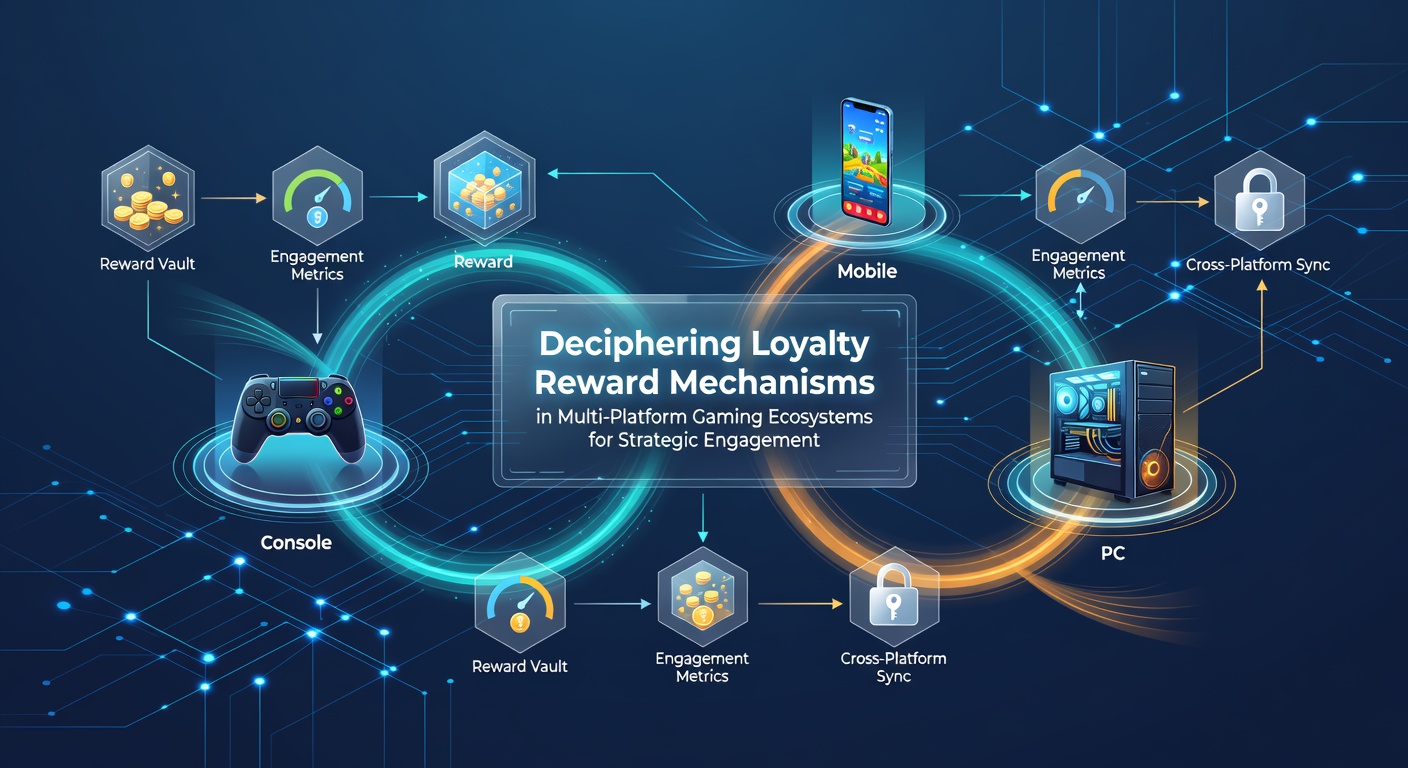
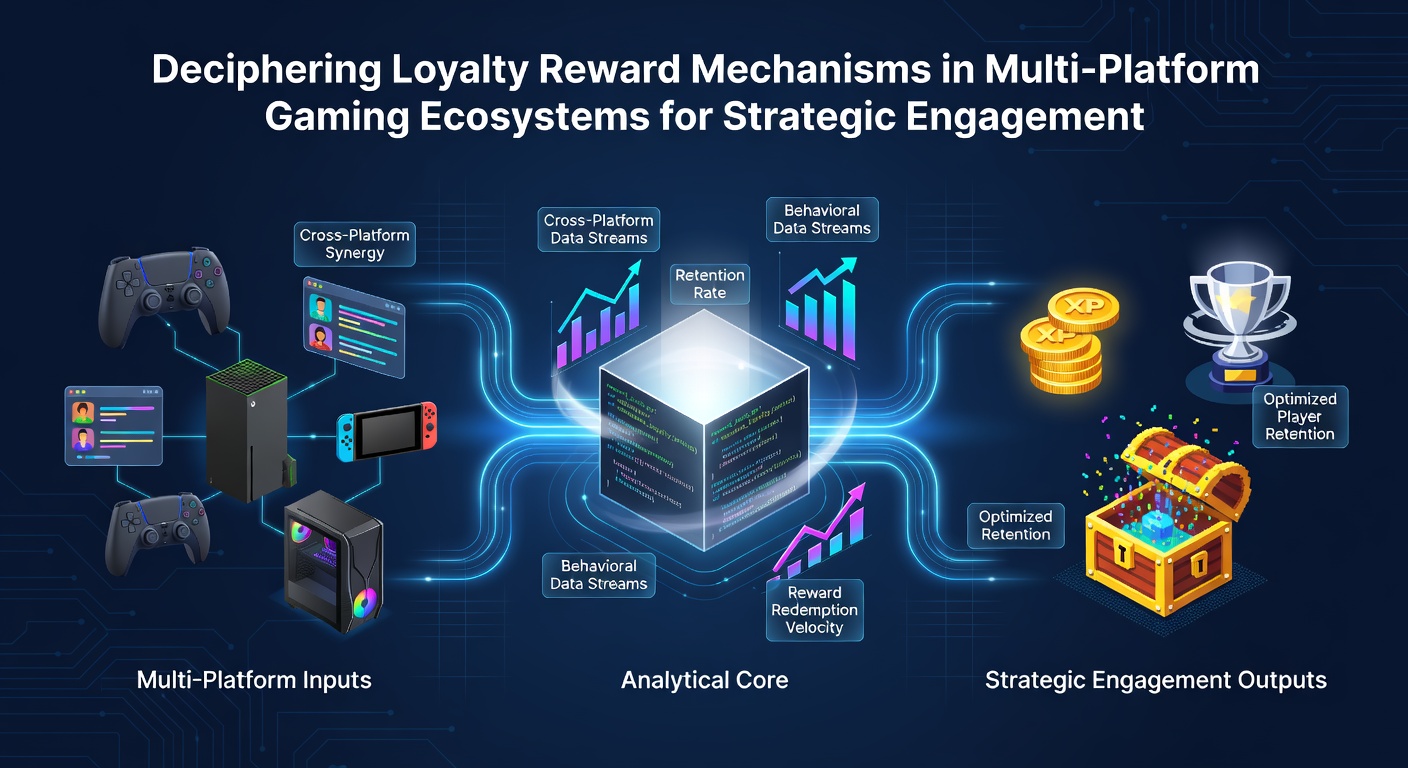
Multi-platform gaming ecosystems rely on layered loyalty mechanisms that track player activity across mobile apps, desktop interfaces, and physical venues, converting that activity into redeemable rewards through structured point systems and tier progressions. These frameworks operate on algorithms that calculate engagement metrics such as session duration, wager volume, and game variety, then distribute benefits accordingly while maintaining separate ledgers for each platform until synchronization occurs at scheduled intervals.
Core Components of Point Accumulation Systems
Point systems form the foundation where base multipliers apply to different game types, with slot machines often generating one point per dollar wagered and table games applying fractional rates due to lower house edges. Tier advancement depends on cumulative points over rolling 12-month periods, unlocking higher reward rates that scale from 1.5 times at entry levels to 3 times or more at top tiers. Observers note that these multipliers adjust dynamically based on promotional calendars, with data from the American Gaming Association indicating average annual point redemptions exceeding 40 billion across U.S. operators in recent reporting cycles.
Redemption options span free play credits, hotel stays, dining vouchers, and merchandise, each carrying distinct conversion rates that favor certain rewards during peak periods. Systems log every transaction in centralized databases that reconcile cross-platform activity every 24 hours, preventing duplicate claims while allowing players to view unified balances through single dashboards.
Integration Across Digital and Physical Channels
Operators connect land-based casino cards with online accounts via unique player identifiers that merge activity logs from disparate sources. Mobile sessions contribute the same points as in-venue play once the identifier links the profiles, though some networks apply slight modifiers to online wagers to account for different operational costs. Research from the University of Nevada, Las Vegas Center for Gaming Research shows that synchronized accounts increase average player retention by measurable margins compared with siloed programs, with integration rates climbing steadily through 2025 and into early 2026.
Challenges arise during peak load times when reconciliation delays occur, yet most platforms resolve these within minutes through automated scripts. In May 2026 several major operators introduced real-time API handshakes that reduced latency to under 30 seconds, allowing instant tier recognition when a player transitions from a mobile session to a casino floor. Canadian regulatory filings from the Alcohol and Gaming Commission of Ontario document similar upgrades among provincial operators, where cross-channel tracking now covers over 85 percent of licensed entities.
Tier Structures and Behavioral Incentives
Tier ladders typically include four or five levels, each requiring escalating point thresholds that reset annually or follow calendar quarters. Benefits compound at higher levels, granting access to exclusive events, personalized offers, and accelerated point earning on select titles. Studies published by the National Centre for Responsible Gambling in Australia highlight that tiered structures correlate with increased play frequency, particularly when milestones trigger immediate notifications and limited-time bonuses.
Seasonal campaigns overlay these base mechanics, adding bonus multipliers during holidays or major sporting events without altering core point values. Data aggregators track these overlays across ecosystems to identify patterns in redemption behavior, revealing that players at mid-tier levels redeem 60 percent of accumulated points within 90 days while top-tier participants often bank points for larger annual rewards.
Data Analytics Driving Personalization
Advanced analytics engines process loyalty data streams to generate tailored offers that align with individual play histories. Machine learning models segment users by preferred game categories and session times, then trigger targeted promotions that appear across all linked platforms simultaneously. European gaming reports from the Belgian Gaming Commission note that such personalization lifts engagement metrics by double-digit percentages when implemented consistently across mobile and retail channels.
Privacy protocols govern data sharing between platforms, requiring explicit consent for cross-border transfers and anonymized aggregation for broader trend analysis. These safeguards maintain compliance while still enabling operators to refine reward structures based on aggregate performance indicators.
Conclusion
Loyalty mechanisms in multi-platform gaming continue to evolve through tighter integration, refined analytics, and expanded redemption pathways that reflect activity across every touchpoint. Industry data and regulatory filings demonstrate steady adoption of unified tracking systems that deliver consistent experiences regardless of device or location. As platforms incorporate faster reconciliation tools and more granular personalization, the underlying structures remain anchored in transparent point calculations and tier-based incentives that operators adjust according to measurable performance trends.