Decoding Synchronization Patterns Between Live Event Volatility Cycles and Digital Platform Payout Calibrations Across Hybrid Gaming Networks
Written by Jakob Sullivan · Jul 22, 2026
Decoding Synchronization Patterns Between Live Event Volatility Cycles and Digital Platform Payout Calibrations Across Hybrid Gaming Networks
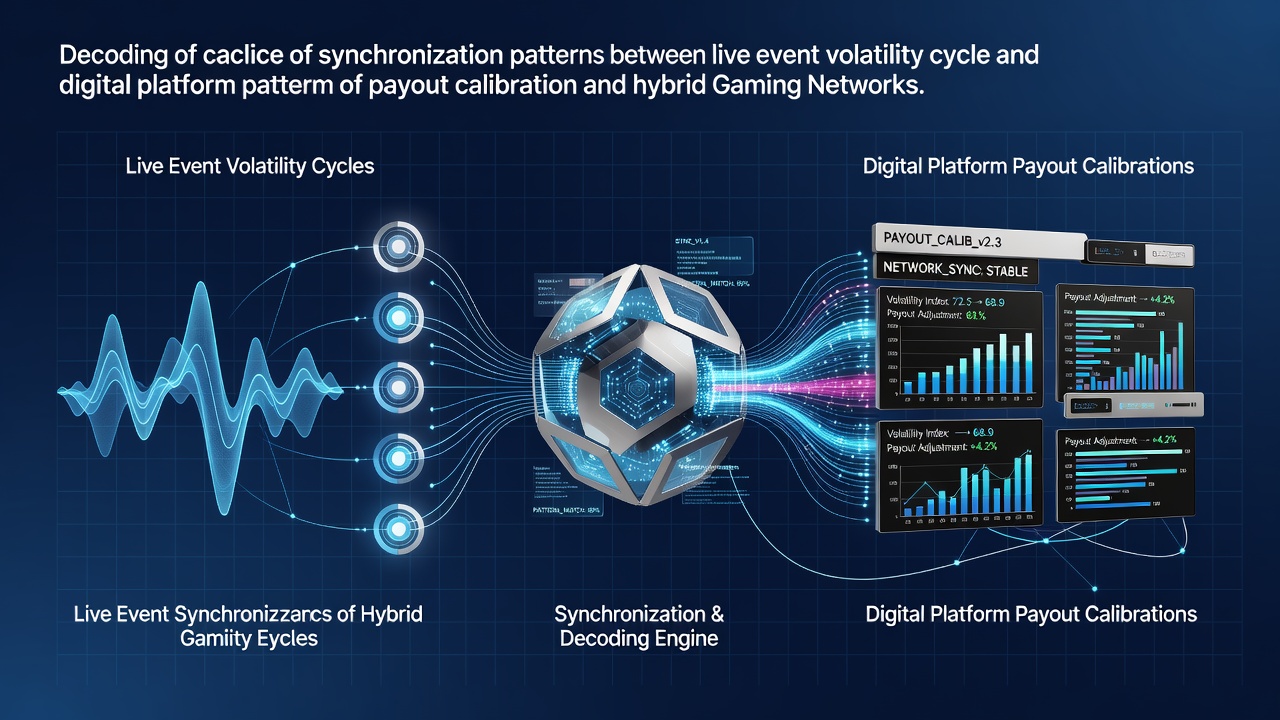
Hybrid gaming networks combine physical casino floors with online platforms, and operators track how volatility in live events such as sports matches or concerts aligns with adjustments to digital payout rates. These patterns emerge when sudden shifts in betting volume during an event trigger recalibrations that maintain balance across both environments, and data collected through July 2026 shows increasing use of shared algorithms that monitor these movements in real time.
Understanding Volatility Cycles in Live Events
Live events generate rapid changes in activity levels, and volatility cycles refer to the peaks and troughs that occur when participant engagement rises or falls within minutes. Sports contests produce the clearest examples because score changes or injuries alter probabilities instantly, while music festivals create secondary waves through social media spikes that influence related wagers. Researchers at institutions tracking North American markets note that these cycles often last between fifteen and forty-five minutes before stabilizing, which gives network systems a narrow window to respond.
Digital Payout Calibration Mechanisms
Digital platforms adjust payout percentages through automated protocols that factor in current network load and historical patterns from similar events. Calibration occurs when incoming data indicates higher risk exposure, prompting reductions in certain bonus multipliers or increases in minimum stakes to preserve overall return-to-player targets. Systems deployed across European and Australian operators have demonstrated that such adjustments happen in batches every five minutes during high-volatility periods, and the process relies on encrypted feeds that link land-based terminals to cloud-based servers.
Integration Across Hybrid Networks
Hybrid setups allow a single operator to move data between a physical casino in one region and an online portal serving another, and synchronization patterns appear when live volatility signals prompt simultaneous recalibrations on both sides. For instance, a major basketball game that extends into overtime can increase slot activity on casino floors while online users shift toward live dealer tables, and the shared platform responds by aligning payout windows to avoid liquidity gaps. Observers from regulatory bodies such as the Nevada Gaming Control Board have documented cases where these alignments reduced discrepancies in reported revenue by up to twelve percent during peak months in early 2026.
Network architects achieve this coordination through middleware layers that translate event data into payout instructions without manual intervention. The layers pull from multiple sources including point-of-sale systems inside venues and user behavior logs from mobile applications, then apply weighted formulas that prioritize the most volatile segments first. This approach keeps overall network stability intact even when one segment experiences sudden surges, and it has become standard practice among operators managing properties in multiple jurisdictions.
Data Patterns Observed Through Mid-2026
Analysis of transaction records from January through July 2026 reveals recurring sequences where volatility spikes in live events precede payout adjustments by an average of eight minutes. These sequences appear consistently across networks that link North American casinos with European digital services, and the timing allows platforms to recalibrate before player migration reaches critical thresholds. Figures released by the European Gaming and Betting Association indicate that networks employing these synchronized methods recorded steadier daily revenue curves compared with those operating independent systems.
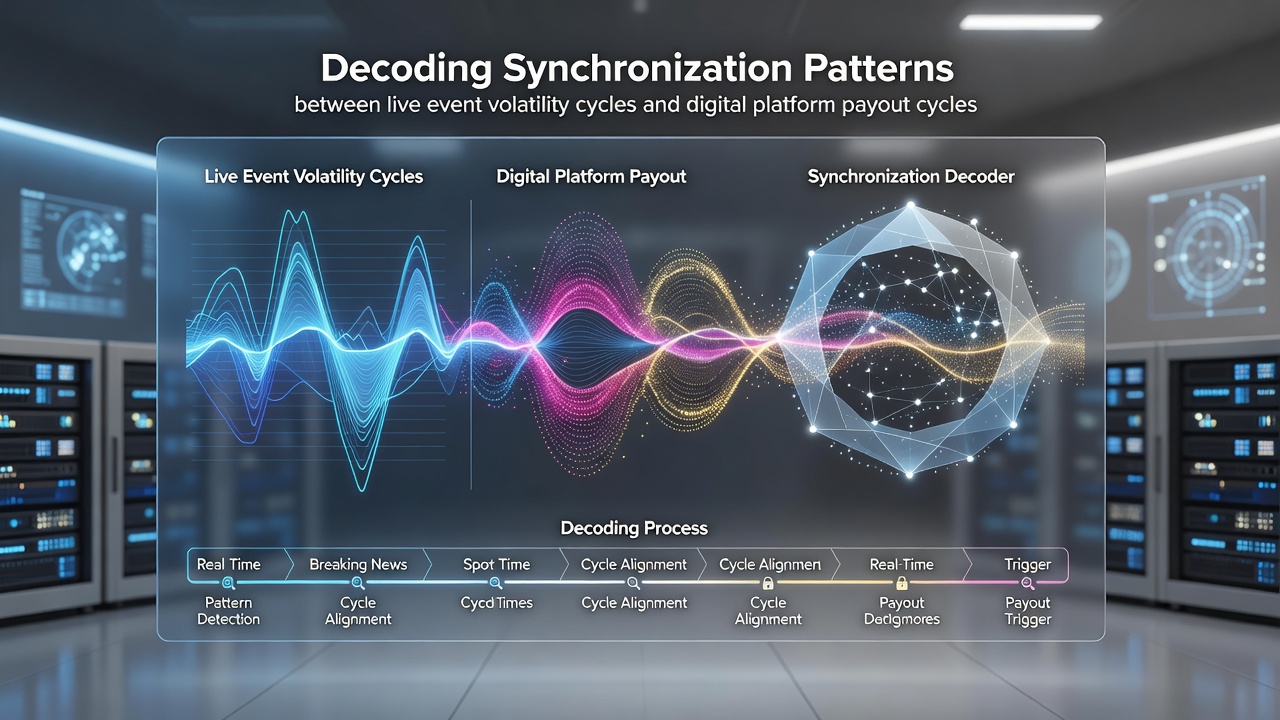
Short intervals of alignment produce measurable effects on retention metrics because players encounter consistent return expectations whether they switch from a physical machine to a mobile app. Longer cycles, by contrast, sometimes create temporary mismatches when one platform updates faster than the other, and operators address these through buffer protocols that hold adjustments until both sides confirm receipt of the same data packet. The result is a smoother experience across the entire network even during extended events that stretch past midnight local time.
Technical Components Driving Synchronization
Centralized dashboards aggregate feeds from sensors inside venues and application programming interfaces on digital platforms, and these dashboards apply machine-learning models trained on prior event data to predict when calibration should occur. Models incorporate variables such as time of day, geographic player distribution, and concurrent events in other time zones, which allows the system to anticipate secondary volatility waves that follow the primary spike. Implementation across several large operators has shown that these models reduce manual oversight requirements by roughly thirty percent while maintaining compliance with jurisdictional payout reporting rules.
Security protocols wrap each data exchange to prevent external interference, and audit trails log every adjustment with timestamps that regulators can review. This level of detail supports verification that synchronization serves risk management rather than altering outcomes beyond established parameters. Networks that adopted the protocols earliest, beginning in late 2025, continue to refine the models based on accumulated performance data through the summer of 2026.
Conclusion
Synchronization between live event volatility cycles and digital payout calibrations continues to evolve as hybrid networks expand their reach across regions. Operators rely on shared data layers and timed adjustments to maintain equilibrium, and records from the first half of 2026 demonstrate measurable improvements in revenue stability when these patterns function as designed. Future refinements will likely focus on reducing the remaining latency gaps and expanding the range of variables included in predictive models, yet the core mechanism of coordinated response across physical and digital environments remains the foundation for current operations.