Examining Cognitive Biases Affecting Decision Processes During High-Stakes Poker Hands
Written by Xander Roth · May 30, 2026
Examining Cognitive Biases Affecting Decision Processes During High-Stakes Poker Hands
High-stakes poker involves rapid calculations where cognitive biases frequently shape choices at the table, and researchers continue to document how these mental shortcuts influence outcomes across professional circuits. Studies from institutions like the University of Nevada Reno's gaming research programs show that players often deviate from optimal strategies when biases take hold during critical moments, while data from tournament tracking services reveal patterns in decision errors that repeat across events.
Common Biases in Poker Decision Making
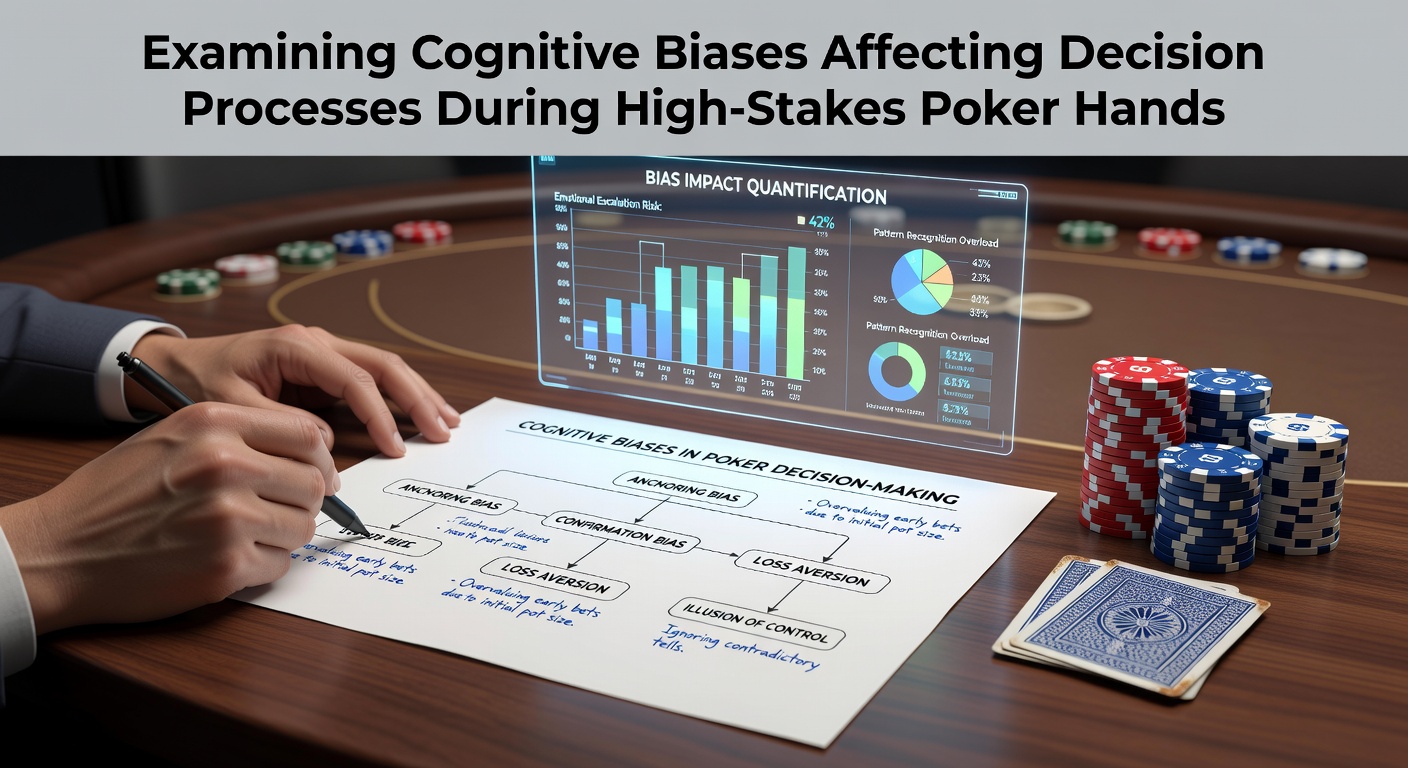
Confirmation bias leads many competitors to favor information that supports their initial read on an opponent, and this tendency strengthens when stacks grow larger because the stakes amplify the desire for validation. Observers note that players scan betting histories selectively, overlooking contradictory signals such as unusual bet sizing or timing tells that might otherwise prompt a fold or a raise. In contrast, anchoring occurs when an early pot size or a memorable previous hand sets an arbitrary reference point, causing subsequent decisions to cluster around that figure rather than current board texture or remaining stacks.
Loss aversion, documented extensively in behavioral economics literature, prompts individuals to protect existing chips more aggressively than they pursue new ones, and this effect intensifies during heads-up confrontations where one mistake can eliminate a player from contention. Research published through the Journal of Gambling Studies indicates that participants in simulated high-stakes scenarios exhibit stronger physiological responses, measured via heart rate variability, when facing potential losses compared with equivalent gains, which alters their risk assessment in real time.
How Biases Manifest Under Pressure
During tournament final tables or cash game sessions with blinds escalating rapidly, overconfidence bias encourages players to overvalue their own hand strength while underestimating opponents' ranges. Data collected from major series in 2025 demonstrates that finalists who entered the last stages with above-average chip counts made statistically more aggressive calls that later analysis labeled as suboptimal. These patterns emerge because prior success reinforces the belief that personal skill will overcome variance, even when mathematical equity calculations suggest caution.
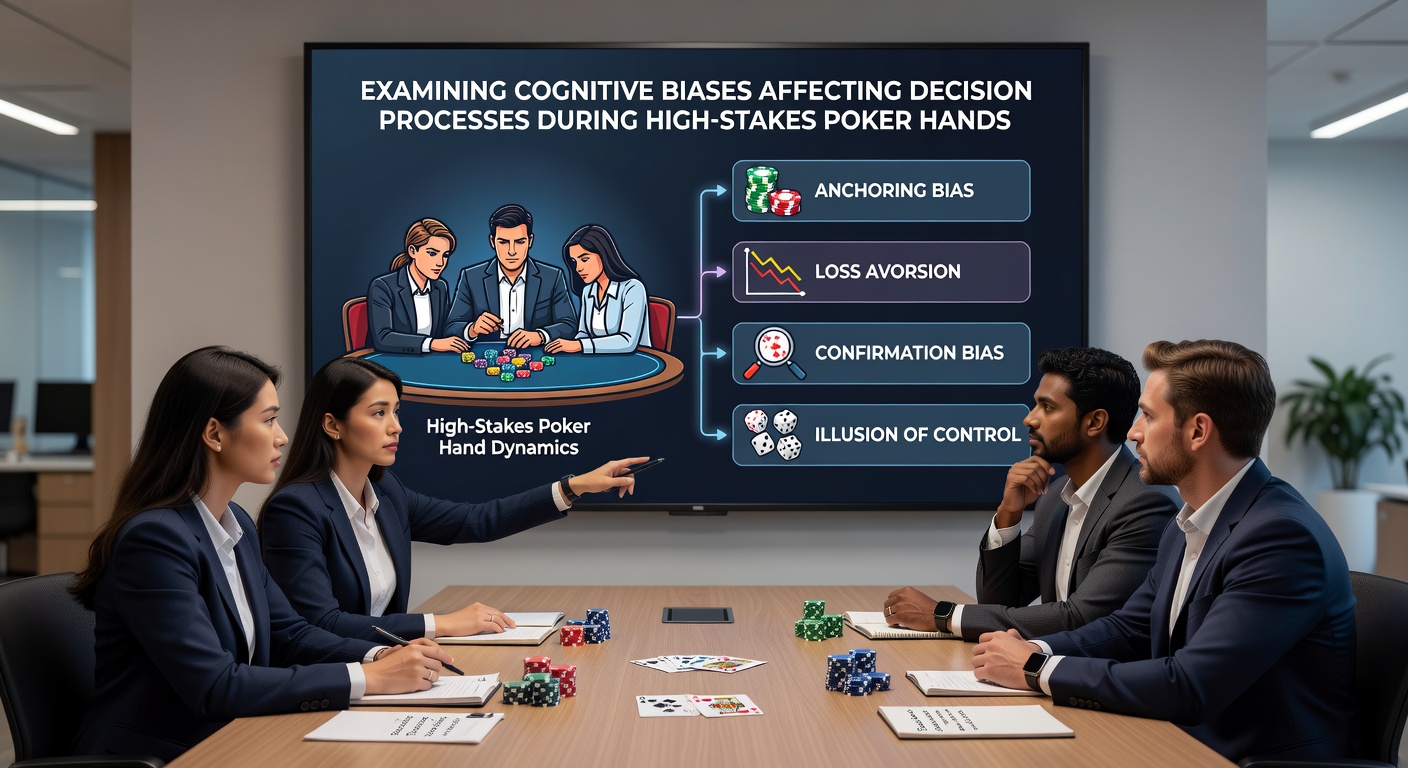
Recency bias compounds the issue when a player recalls the most recent hands vividly, and this distorts probability estimates for future outcomes. A study conducted by researchers at the University of Sydney's Brain and Mind Centre found that participants adjusted their calling ranges more dramatically after experiencing a single strong bluff or a bad beat than probability models would predict, creating exploitable leaks. The effect appears strongest in no-limit hold'em formats where emotional memory lingers longer than objective frequency data.
Evidence from Tournament Data and Laboratory Settings
Tracking platforms that aggregate hand histories from events worldwide have identified clusters of decisions consistent with these biases, particularly in May 2026 when several marquee tournaments overlapped on the calendar and increased sample sizes for analysis. Figures from these databases indicate that players facing all-in decisions with 20 big blinds or fewer deviated from game-theory-optimal ranges in approximately 18 percent of cases, with deviations aligning more closely with loss-aversion predictions than with pure equity calculations. Laboratory replications using eye-tracking technology further confirm that attention narrows under time pressure, directing focus toward confirming cues while peripheral information receives less processing.
Industry reports from organizations such as the National Council on Problem Gambling note that professional players who review sessions with external coaches reduce the frequency of biased decisions over successive events, although complete elimination remains rare. Training protocols that incorporate deliberate review of opposing ranges and equity calculations produce measurable shifts in behavior, according to follow-up performance metrics collected across multiple seasons.
Conclusion
Cognitive biases continue to shape decision processes in high-stakes poker despite widespread awareness among competitors, and ongoing research from academic and regulatory bodies supplies fresh data on how these patterns persist across formats and regions. Tournament organizers and training platforms increasingly integrate bias-awareness modules into player development programs, while independent analysts track whether such interventions produce sustained changes in recorded hand histories. The interaction between psychological tendencies and game mathematics remains a central focus for those studying decision quality at the highest levels of competition.