Examining correlations between ambient lighting variations and wager sizing patterns in electronic gaming terminals across regulated venues
Written by Jakob Sullivan · Jul 13, 2026
Examining correlations between ambient lighting variations and wager sizing patterns in electronic gaming terminals across regulated venues
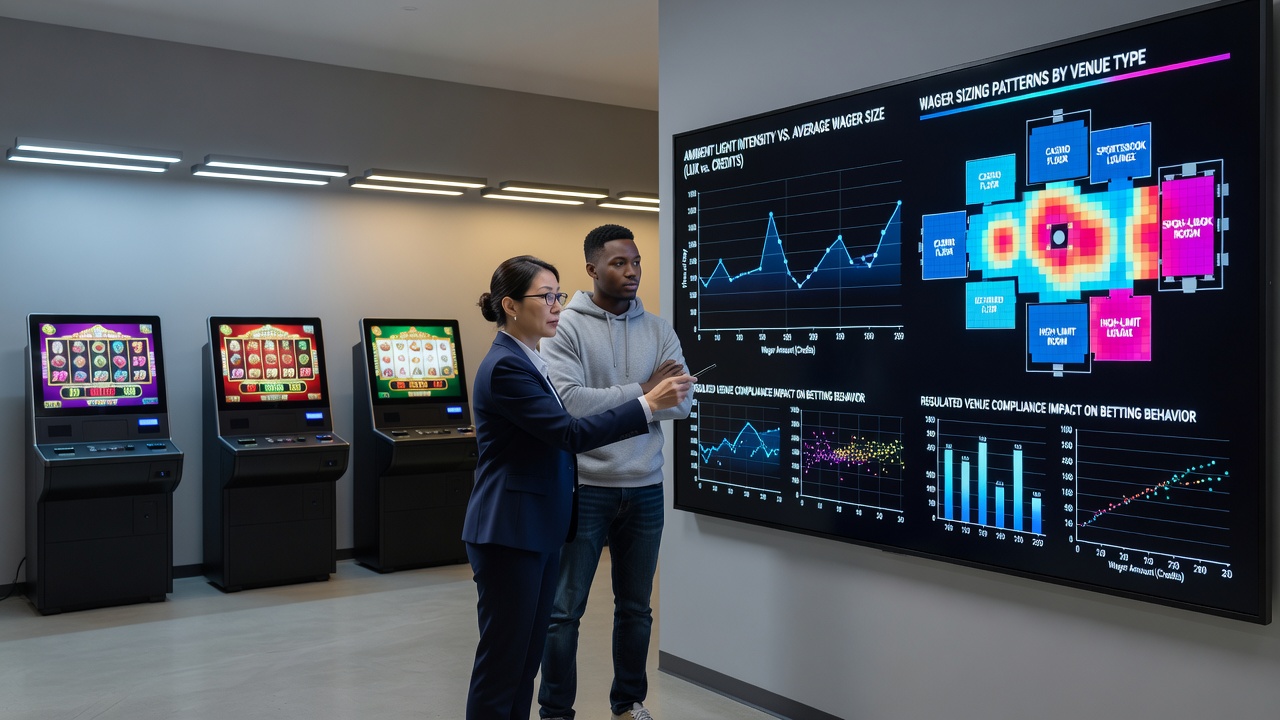
Electronic gaming terminals operate under diverse lighting conditions that shift throughout operating hours, and researchers tracking these environments have collected data on how such changes align with adjustments in wager amounts placed by players. Studies conducted across multiple jurisdictions show measurable patterns where light intensity and color temperature correspond to shifts in average bet sizes recorded at individual machines.
Data Collection Methods Across Jurisdictions
Regulatory bodies in several regions have compiled datasets that link lighting parameters to player behavior logs, including systems operated by the Nevada Gaming Control Board and parallel efforts through the Australian Institute of Family Studies. Observers note that terminals positioned in zones with cooler, higher-intensity lighting often register higher average wager values during evening peaks compared with warmer, dimmer areas that see steadier but lower-stake activity. These records cover thousands of sessions logged between 2024 and 2026, allowing analysts to isolate lighting as one variable among many that include machine denomination and promotional timing.
Lighting Parameters and Observed Wager Adjustments
Measurements taken at floor level indicate that increases in lux values above 300 correlate with more frequent selection of higher denomination bets, while reductions below 150 lux coincide with longer dwell times at lower stake levels. Color temperature shifts from 4000K to 2700K appear alongside transitions in bet sizing, particularly in terminals equipped with dynamic backlighting that players can influence through interface choices. Data from multi-venue audits reveals these alignments hold across different machine manufacturers yet vary by regional player demographics tracked in anonymized transaction files.
One analysis of progressive networks in North American properties found that zones retrofitted with tunable LED arrays in early 2026 produced wager distributions that deviated from historical baselines by measurable margins during the same calendar weeks. Those adjustments occurred without changes to game mathematics or payout tables, pointing to environmental factors as contributors worth continued monitoring by operators.
Regional Comparisons and Recent Findings
Venues in Canadian provinces and select European markets supplied comparable logs that reinforce patterns first identified in warmer climates. Reports issued in July 2026 from integrated resort operators showed consistent upticks in mid-range wagers when lighting cycles moved toward neutral white during afternoon transitions, while late-night dimming aligned with clustering around minimum bet options. These observations come from terminals operating under standardized responsible gaming protocols that already record session data for compliance purposes.
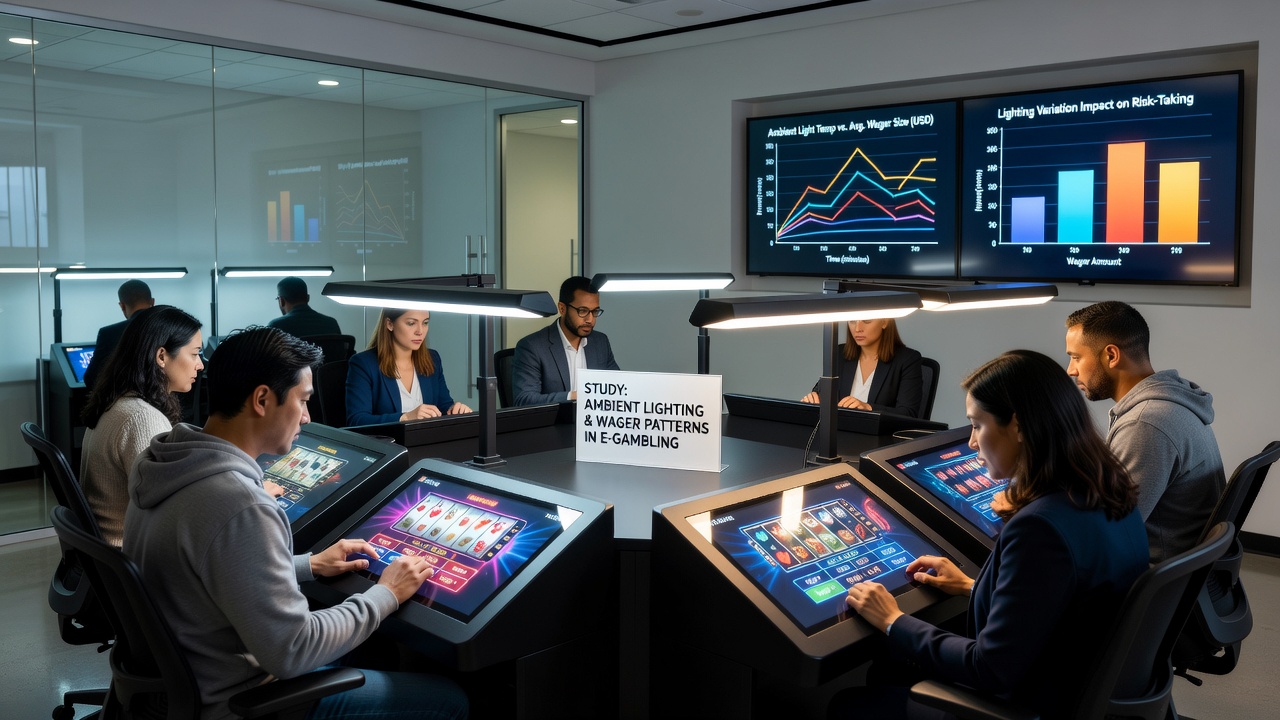
Industry organizations such as the Gaming Standards Association have begun incorporating lighting metadata into recommended data schemas, enabling future cross-property comparisons. Academic teams at institutions including the University of Nevada, Reno have cross-referenced these operational records with controlled environment simulations that replicate terminal interfaces under programmed light cycles.
Technical Factors Influencing Patterns
Terminal hardware now frequently includes sensors that log both ambient conditions and player inputs in synchronized streams, which simplifies the identification of lighting-wager relationships. Engineers designing next-generation cabinets note that glare reduction coatings and localized task lighting can alter visibility of pay tables, an element that appears in session logs as changes in feature activation rates alongside bet sizing. Such technical specifications remain subject to approval processes managed by state and provincial regulators who require documentation of any environmental modifications that could affect play dynamics.
Additional variables tracked alongside lighting include background music levels and seating density, yet statistical models isolate lighting contributions through multivariate regression applied to the same datasets. Findings indicate that the strength of these correlations differs by game category, with video reel terminals showing stronger associations than video poker units in the sampled properties.
Conclusion
Records maintained by regulated operators demonstrate that ambient lighting variations correspond with wager sizing patterns at electronic gaming terminals in ways that warrant continued data collection and analysis. Cross-jurisdictional comparisons reveal consistent directional alignments even as absolute values differ by market and venue configuration. Future updates to monitoring frameworks may incorporate these environmental metrics more explicitly as hardware capabilities expand.