Examining Neural Response Patterns to Jackpot Animations Across Networked Slot Systems
Written by Jakob Sullivan · Jul 18, 2026
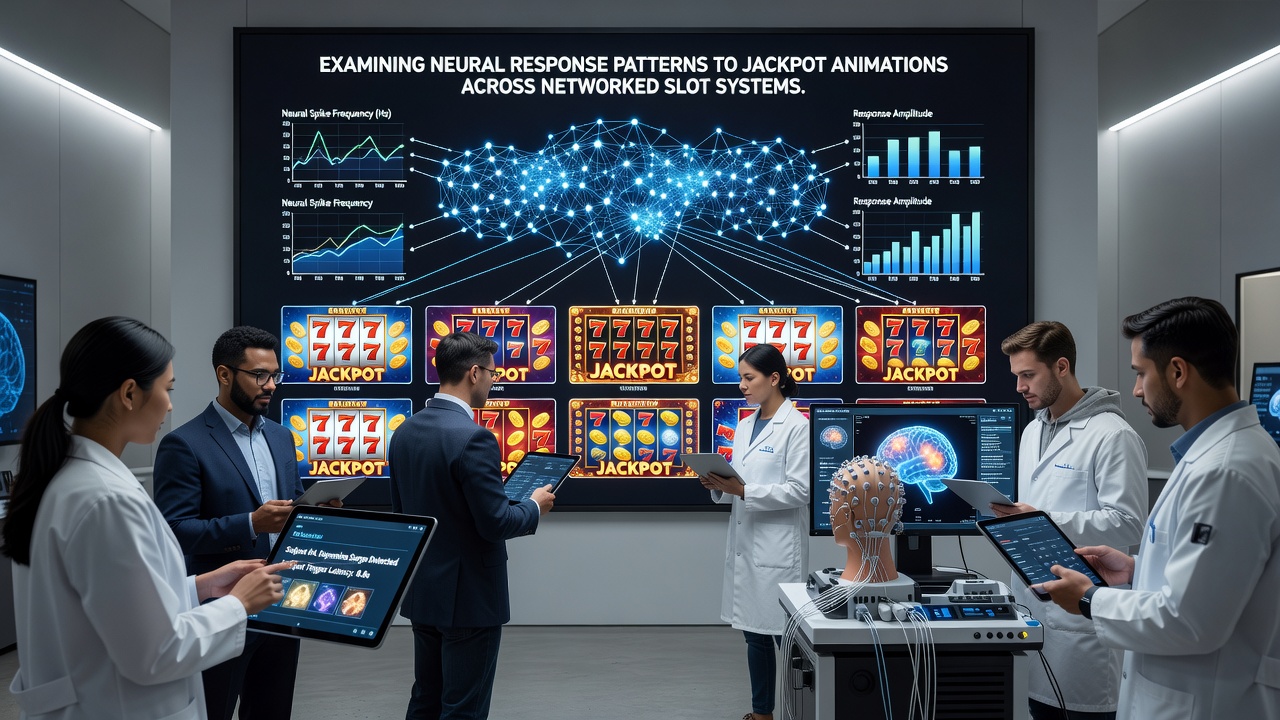
Examining Neural Response Patterns to Jackpot Animations Across Networked Slot Systems
Networked slot systems connect machines across casinos or regions to build progressive jackpots that grow with each wager placed anywhere in the network, and jackpot animations serve as the visual trigger that signals a win to players and bystanders alike. These animations typically feature rapid light sequences, expanding graphics, and coordinated audio cues that activate when a jackpot threshold is reached. Research into brain activity during exposure to these stimuli has focused on reward pathways in the striatum and prefrontal cortex, where dopamine release patterns shift in response to the sudden visual and auditory input. Studies using functional magnetic resonance imaging have tracked how the onset of jackpot animations correlates with heightened activity in areas associated with anticipation and reward processing. Participants in controlled experiments showed measurable increases in blood-oxygen-level-dependent signals within seconds of animation triggers, and the effect scaled with jackpot size across different network configurations. Data collected from multi-site trials indicate that synchronized animations across linked machines produce stronger neural synchronization than isolated displays, particularly when the same visual elements appear simultaneously on multiple terminals.Network Architecture and Animation Triggers
Networked slot systems rely on central servers that aggregate bets in real time and calculate progressive increments before distributing the updated jackpot value to connected machines. When a winning combination lands, the server broadcasts the animation sequence to all linked units, ensuring uniform presentation regardless of physical location. This architecture allows animations to incorporate live jackpot amounts that update continuously, and researchers have noted corresponding changes in viewer attention metrics when the displayed figure exceeds certain thresholds.
July 2026 figures from gaming technology providers revealed that over 85 percent of new progressive installations included enhanced animation protocols capable of cross-machine synchronization within 200 milliseconds. These protocols integrate with player tracking systems to adjust animation intensity based on individual session data, though core neural response patterns remain consistent across demographic groups in aggregated EEG recordings.
Brain Activity During Animation Exposure
Electroencephalography recordings captured during simulated jackpot events show distinct event-related potentials that peak around 300 milliseconds after animation onset, followed by sustained gamma-band activity linked to heightened sensory processing. Observers note that repeated exposure within a single session leads to habituation in some frontal lobe regions while reward-related signals in the nucleus accumbens maintain elevated levels when jackpot values continue to climb.
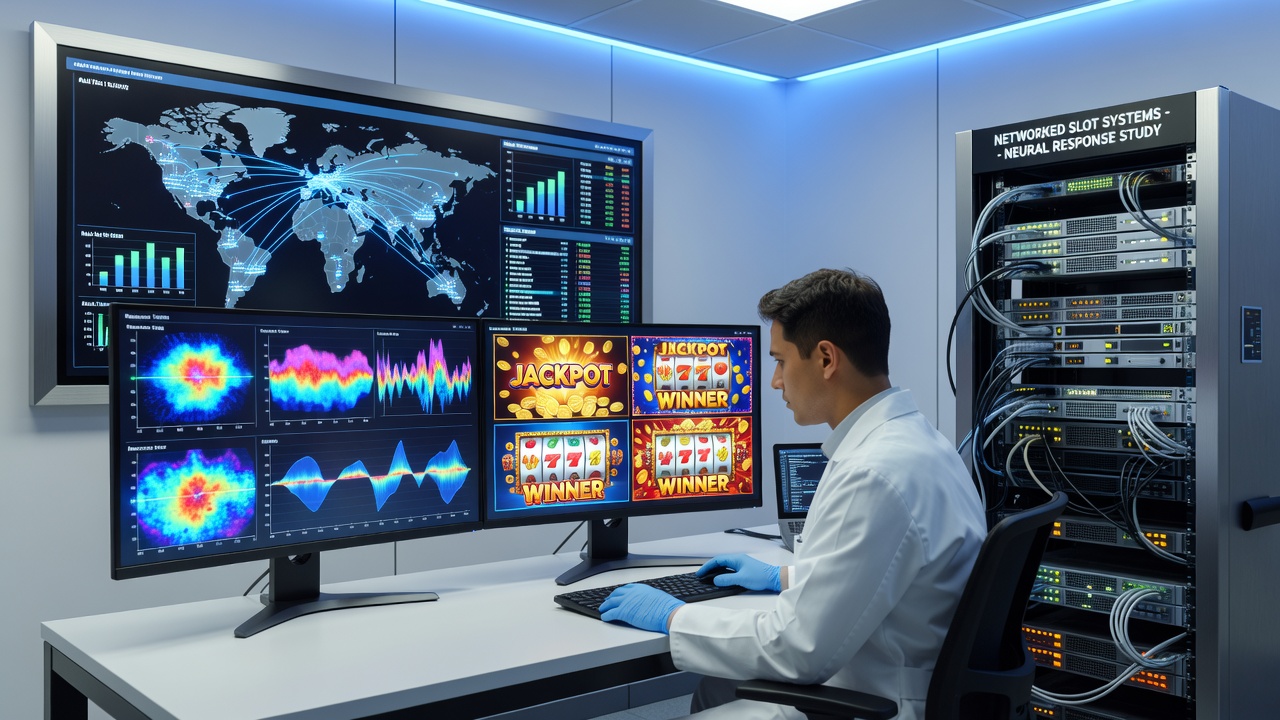
One study conducted at a North American research facility compared neural responses to standard reel spins versus full jackpot animations and found that the latter produced roughly triple the amplitude in late positive potential components associated with motivational salience. The same research team documented how network-wide rollovers, where multiple machines display escalating animations in sequence, extend the duration of these neural signatures by an average of 4.2 seconds compared with single-machine events.
Comparative Data Across Regions
Investigators in Australia examined progressive networks spanning multiple venues and reported that players exposed to jackpot animations exhibited faster reaction times in subsequent decision tasks when the animation included dynamic number counters rather than static prize displays. Parallel work in Canadian laboratories using near-infrared spectroscopy confirmed increased prefrontal oxygenation during animation viewing, with the magnitude correlating to the number of machines simultaneously broadcasting the same sequence.
According to findings published by the University of Nevada Reno gaming research group, animation complexity directly influences the persistence of post-stimulus neural activation, and simpler flashing patterns produce quicker return to baseline activity than multi-layered sequences with particle effects and character animations. European regulatory reports from 2025 onward have tracked similar patterns in data submitted by operators, though the focus there centers on session duration metrics rather than direct brain imaging.
Methodological Considerations in Current Research
Experimental designs typically present participants with recorded or live animation footage while monitoring physiological markers, and control conditions often include muted or visually degraded versions of the same sequences to isolate the contribution of specific visual elements. Sample sizes in published work range from 40 to 120 individuals, with many protocols incorporating pre- and post-exposure cognitive assessments to measure carryover effects on attention and risk evaluation tasks.
Researchers have also begun incorporating virtual reality environments that replicate networked casino floors, allowing controlled variation of animation timing across simulated machines while maintaining consistent jackpot values. Preliminary results suggest that spatial distribution of animated displays within a virtual setting modulates both self-reported excitement levels and corresponding changes in heart rate variability, adding another layer to the neural response profile.
Conclusion
Current evidence establishes clear links between jackpot animation features in networked slot systems and measurable shifts in brain activity patterns associated with reward processing and attention. Continued data collection through July 2026 and beyond will refine understanding of how network scale, animation design, and synchronization timing interact with these neural responses across different operational environments.