Exploring Interconnections Between Session Length Patterns and Resource Allocation Choices Across Digital Table Formats
Written by Xander Roth · Jul 15, 2026
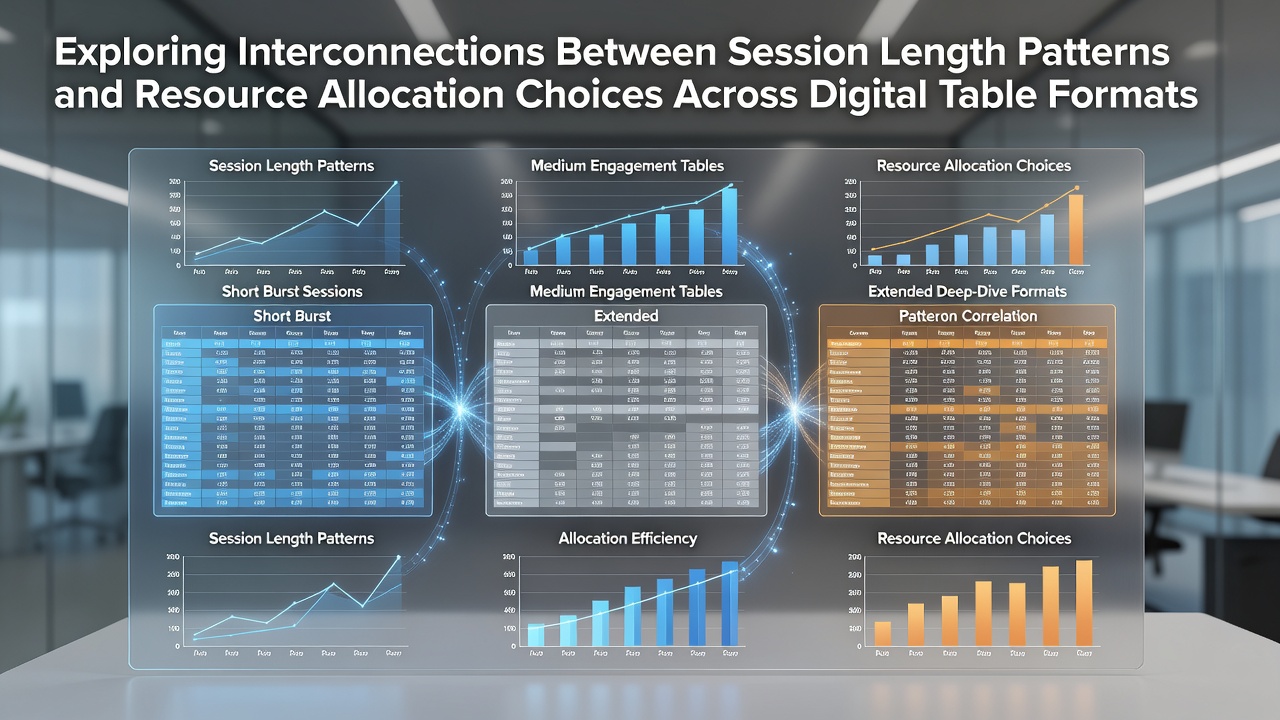
Exploring Interconnections Between Session Length Patterns and Resource Allocation Choices Across Digital Table Formats
Observers note that digital table formats such as online blackjack, roulette, and baccarat exhibit distinct session length patterns that directly influence how participants allocate chips, time, and betting sequences. Data from regulated platforms indicates longer sessions often correlate with more conservative resource distribution strategies, whereas shorter bursts tend to feature aggressive initial allocations followed by rapid adjustments. Researchers tracking these trends across platforms have identified consistent relationships between engagement duration and spending behaviors that hold across both RNG-driven and live dealer environments. Patterns emerge clearly when analysts segment sessions by length. Sessions under thirty minutes frequently show concentrated resource deployment in the first few hands or spins, with players committing larger portions of their bankroll early to test volatility thresholds. In contrast, sessions extending beyond ninety minutes demonstrate gradual allocation shifts, where participants spread wagers across multiple table types and adjust stake sizes based on cumulative outcomes. Figures from North American operators reveal that average session durations in July 2026 remained stable compared to prior quarters, yet the proportion of extended sessions increased slightly in multi-table environments.Session Length Distributions Across Formats
Digital table formats differ substantially in how they shape session durations. RNG tables typically produce shorter average sessions because automated pacing removes dealer interaction delays, allowing players to complete more decisions per minute. Live dealer formats, however, extend sessions naturally through social elements and slower card reveals. Studies conducted by academic teams at institutions in Australia and Canada show that participants in live dealer baccarat maintain sessions 40 percent longer on average than those using RNG equivalents, leading to correspondingly different resource pacing.
Those who've examined platform logs find that mobile sessions skew shorter overall, often lasting twenty to forty minutes, while desktop sessions stretch further. This distinction matters because shorter mobile engagements prompt quicker resource commitments, frequently involving higher per-hand percentages early in the sequence. Desktop users, by comparison, demonstrate steadier allocation across longer timelines, revisiting the same table or rotating between variants as the session progresses.
Resource Allocation Mechanisms and Duration Effects
Resource allocation choices encompass not only bet sizing but also decisions about when to switch tables, adjust limits, or deploy promotional credits. Evidence suggests session length acts as a moderating variable in these choices. Shorter sessions align with front-loaded allocation, where players place maximum permitted bets within the first ten decisions before tapering. Extended sessions allow for recalibration, with data indicating stake sizes decrease by an average of 15 to 25 percent after the initial hour as players respond to accumulated results.
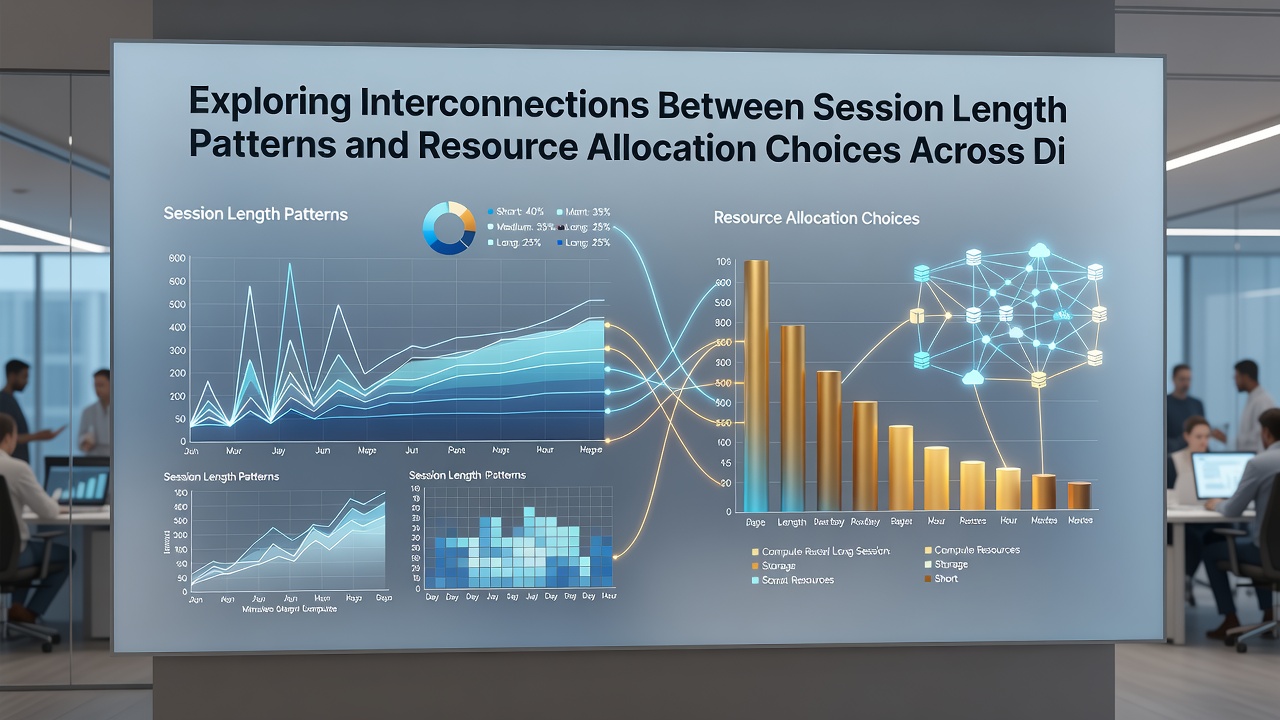
Multi-platform ecosystems add another layer. Players moving between RNG and live formats within a single session tend to allocate resources differently depending on the transition point. Those entering a live dealer sequence after an RNG stint often reduce stake sizes initially, reflecting caution learned from prior outcomes. Regulatory reports from the New Jersey Division of Gaming Enforcement document these cross-format behaviors in aggregate player data, confirming measurable shifts in allocation velocity tied to cumulative session time.
Interconnections and Platform-Specific Observations
The relationship between duration and allocation becomes particularly evident when comparing table types. Blackjack sessions, which involve more decision points per round, show stronger correlations between length and conservative allocation than roulette sessions, where outcomes occur faster and with fewer choices. Baccarat, with its simpler mechanics, produces intermediate patterns where session length influences allocation primarily through table-switching frequency rather than per-hand adjustments.
Industry analyses from the European Gaming and Betting Association highlight that loyalty program structures interact with these patterns. Players enrolled in tiered reward systems maintain longer sessions when allocation choices unlock incremental benefits, creating feedback loops where extended play justifies continued resource deployment. Observers tracking July 2026 activity across multiple jurisdictions noted increased session continuity among reward-eligible accounts compared to non-enrolled users.
Conclusion
Patterns connecting session length to resource allocation choices persist across digital table formats, shaped by game mechanics, device type, and platform features. Data consistently shows that duration influences both the timing and magnitude of allocation decisions, producing measurable differences between short and extended engagements. As operators continue refining digital environments, these interconnections remain central to understanding player behavior within regulated markets worldwide.