How Soundtracks in Gaming Halls Influence Risk Assessment Patterns Among Frequent Players
Written by Jakob Sullivan · Aug 8, 2026
How Soundtracks in Gaming Halls Influence Risk Assessment Patterns Among Frequent Players
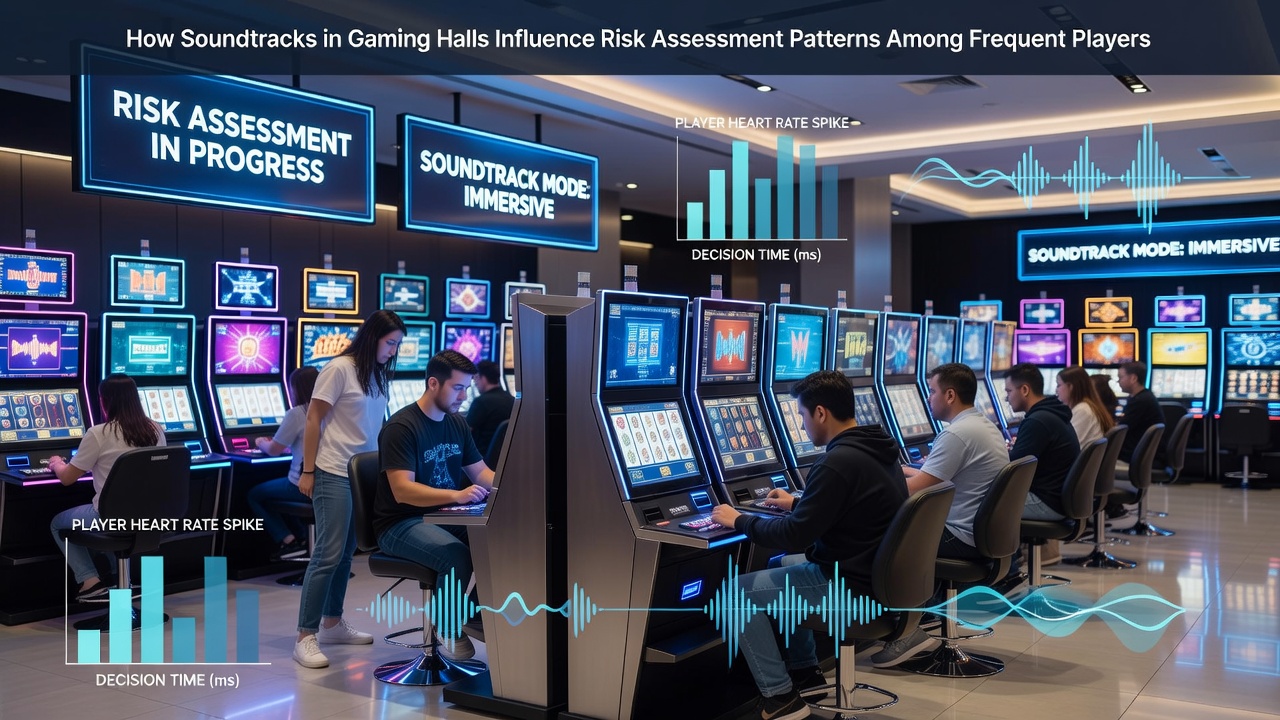
Sound design in gaming halls operates through layered audio tracks that combine rhythmic beats, melodic loops, and dynamic volume shifts, and these elements interact directly with player decision-making processes during extended sessions. Research from institutions such as the University of Nevada Reno has documented how tempo variations correlate with changes in betting speed and stake adjustments among regular visitors.
Frequent players encounter these soundscapes repeatedly, which allows certain auditory cues to become associated with specific outcomes over time. Data collected across multiple North American facilities shows that tracks with higher beats per minute often coincide with increased wager frequency, while slower, more sustained compositions tend to align with longer evaluation periods before each bet.
Audio Elements and Cognitive Processing
Studies examining brain activity during simulated gaming sessions reveal that background music activates reward pathways in ways that can compress the perceived time between decisions. When familiar motifs repeat at intervals matching typical spin or hand durations, players demonstrate reduced hesitation in subsequent choices according to findings from the Canadian Centre on Substance Use and Addiction. This pattern holds particularly among individuals who log more than twenty hours monthly in gaming environments.
Patterns Observed in August 2026
Facility reports compiled during August 2026 indicated measurable shifts in average bet sizing on machines equipped with updated soundtrack libraries, and operators noted that sections playing continuous low-frequency drones saw steadier play volumes compared with areas using abrupt musical transitions. Analysts tracking loyalty card data found that players with visit histories exceeding six months adjusted their risk thresholds more rapidly under continuous upbeat scoring than under variable or silence conditions.
Soundtracks also incorporate environmental noise masking, such as subtle crowd murmurs or jackpot chimes, which further influence how individuals weigh potential losses against infrequent large wins. Longitudinal observations suggest that these layered elements contribute to a cumulative effect where risk assessment becomes tied to auditory context rather than isolated numerical evaluation.
Evidence from Controlled Observations
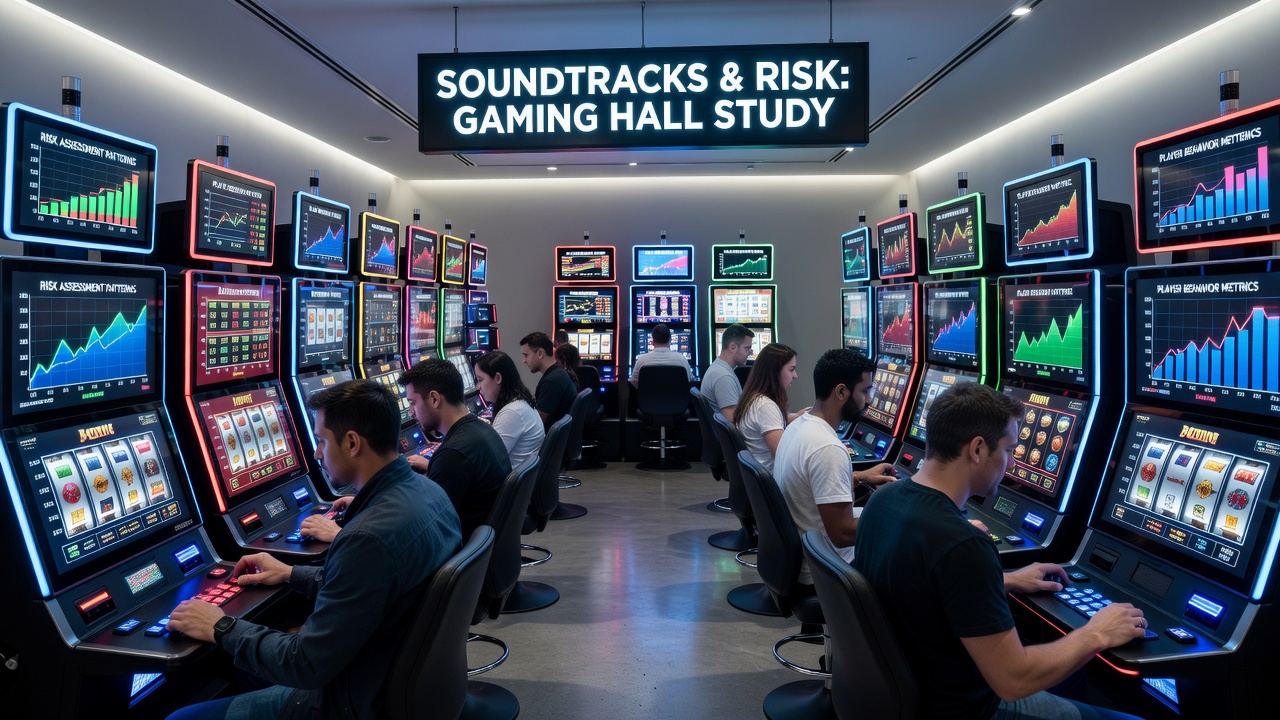
Controlled trials conducted in partnership with Australian gaming research groups have isolated soundtrack variables while holding machine mechanics constant, and results show that participants exposed to synchronized music completed more rounds per hour while displaying narrower spreads in their win-loss tracking habits. Those with established play routines exhibited stronger responses, suggesting prior exposure strengthens the link between audio cues and betting behavior.
Regulatory filings from state gaming boards in the western United States further record that venues experimenting with adaptive audio systems reported differences in session length distributions during peak evening hours. The same datasets indicate that frequent players, defined as those visiting at least eight times per month, accounted for a disproportionate share of the observed variations in risk-related metrics.
Long-Term Exposure Effects
Over repeated visits the brain forms associations between specific musical phrases and previous outcomes, which can alter the weighting given to immediate probabilities. Researchers tracking electrodermal activity during live play sessions note elevated arousal responses when certain recurring motifs play, even when payout rates remain unchanged across test conditions. These physiological markers align with self-reported changes in perceived control among long-term patrons.
Industry monitoring programs have begun incorporating audio logs alongside transaction records to map these correlations more precisely, and preliminary cross-facility comparisons reveal consistent directional trends regardless of regional music licensing differences. The data underscores that soundtrack composition functions as one variable within a broader set of environmental factors shaping player patterns.
Conclusion
Soundtracks in gaming halls interact with risk assessment through repeated auditory conditioning, physiological arousal shifts, and temporal perception changes that become more pronounced among frequent players. Available studies and operational data from multiple jurisdictions document these relationships without establishing direct causation in every case, yet the patterns remain measurable across different testing protocols and facility types. Continued collection of integrated audio and behavioral metrics will clarify the strength and consistency of these influences as environments evolve.