The Influence of Lighting and Sound Engineering on Strategic Choices in High-Volume Electronic Gaming Areas
Written by Dana Schmitz · Jul 11, 2026
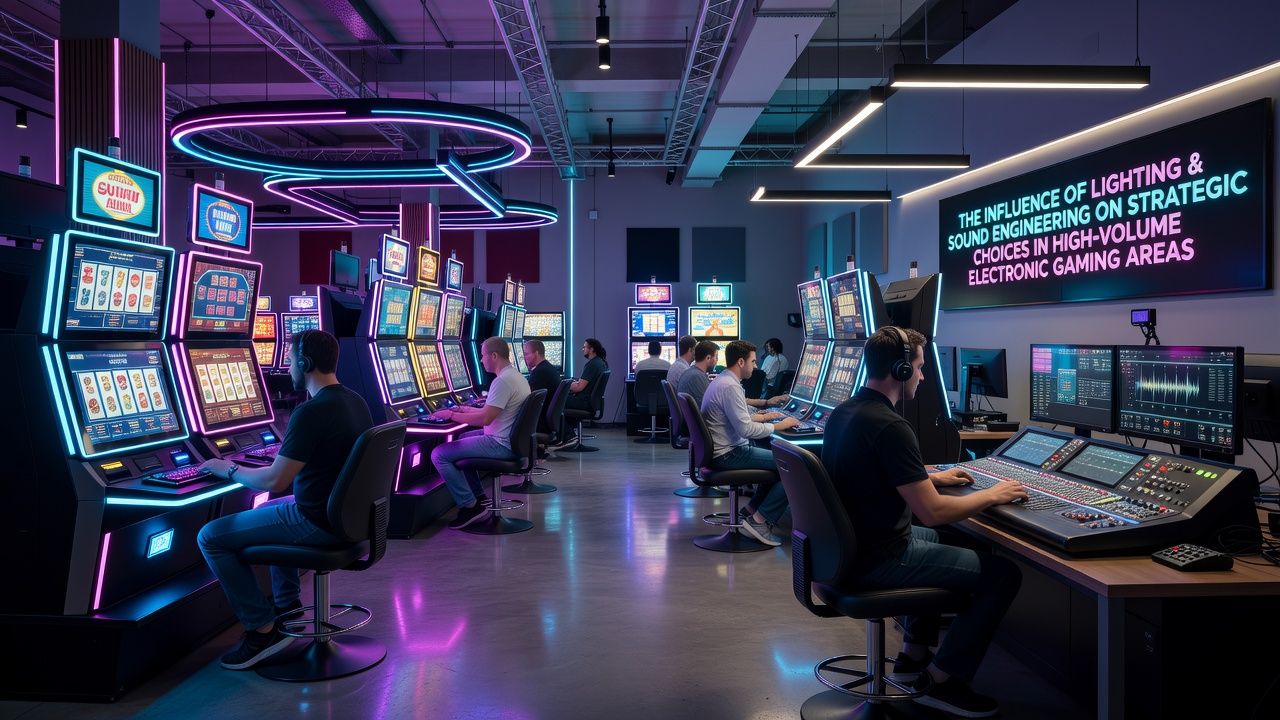
The Influence of Lighting and Sound Engineering on Strategic Choices in High-Volume Electronic Gaming Areas
Research from multiple gaming jurisdictions demonstrates that lighting configurations and sound engineering systems directly shape how players allocate time and money across electronic gaming machines. Data collected in facilities across North America and Australia during 2025-2026 periods reveal measurable shifts in session length and bet sizing when operators adjust illumination levels and audio layering. Lighting systems in these environments typically employ layered LED arrays that cycle through warm and cool spectra at intervals calibrated to maintain alertness without inducing fatigue. Facilities in Nevada reported in mid-2026 that zones with adjustable color temperatures between 2700K and 4000K correlated with extended machine occupancy rates during peak evening hours. Observers note that brighter perimeter lighting combined with softer task lighting at individual stations encourages players to remain seated longer while scanning adjacent machines for available options. Sound engineering operates through zoned speaker arrays that deliver layered audio tracks including machine chimes, background music, and ambient crowd effects. Studies conducted by the Australian Gambling Research Centre indicate that synchronized audio cues timed to near-miss events can influence the rate at which players initiate new spins. These systems allow operators to modulate volume and frequency content across different floor sections, creating distinct acoustic environments that affect concentration and perceived passage of time.Lighting Parameters and Decision Patterns
High-volume electronic gaming areas deploy dynamic lighting controls that respond to occupancy sensors and time-of-day programming. When operators increase ambient brightness during afternoon periods, data from Illinois casino reports show corresponding increases in multi-machine play sessions where individuals alternate between adjacent terminals. Conversely, dimmed central lighting with localized spot illumination tends to cluster players in specific machine banks, reducing cross-floor movement.
Color temperature adjustments also produce documented effects. Facilities using cooler blue-enriched lighting during late-night hours recorded higher average bets per spin according to operational logs shared at the 2026 Gaming Technology Summit. Warmer lighting palettes, by contrast, appear more frequently in areas designated for lower-denomination play, where extended dwell time rather than rapid bet escalation constitutes the primary revenue driver.
Sound Design Elements and Behavioral Responses
Sound engineering teams calibrate machine-specific audio feedback to align with payout schedules and volatility profiles. Progressive jackpot banks often feature escalating chime sequences that build across multiple units, creating auditory momentum that draws attention from surrounding players. Research published by the University of Nevada's gaming analytics program in July 2026 documented that these coordinated audio events coincide with temporary spikes in adjacent machine utilization.
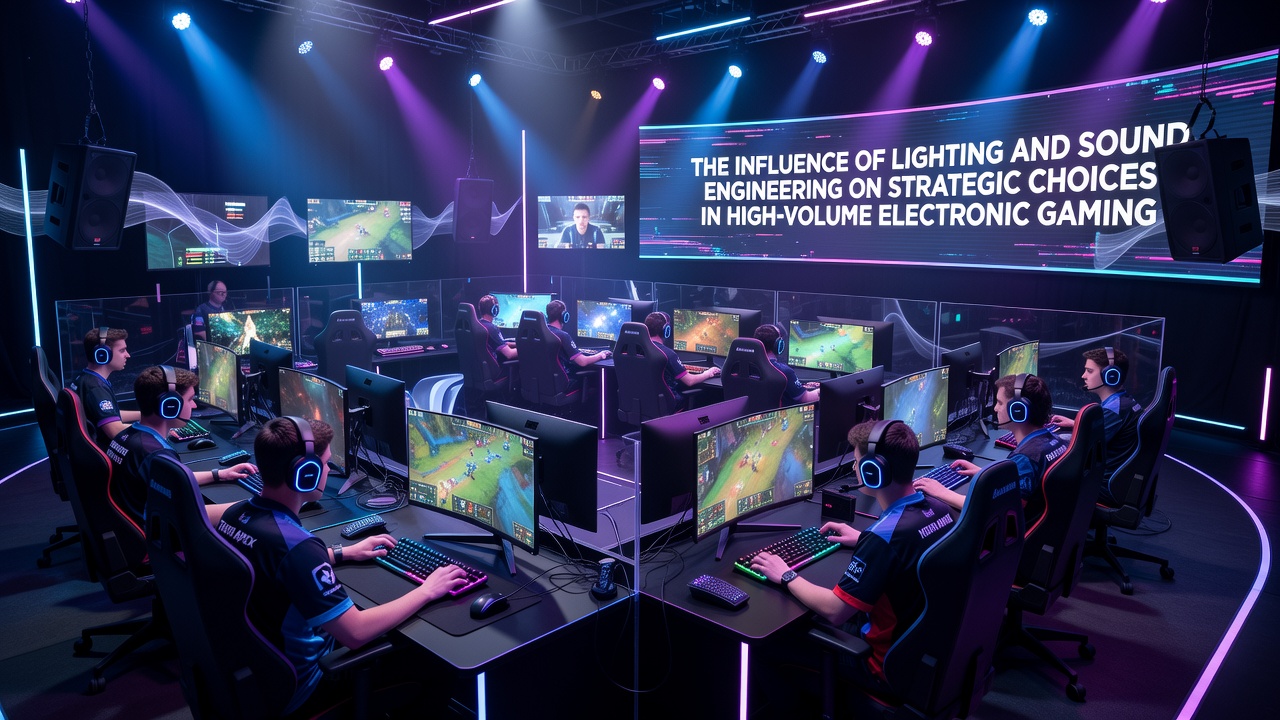
Background music selection follows similar strategic logic. Operators in Canadian provincial gaming venues have implemented tempo-modulated playlists that shift from 90 to 120 beats per minute during high-traffic windows. These changes align with observed increases in spin initiation rates, particularly among players using electronic funds transfer options that permit rapid re-betting.
Integrated Systems and Floor-Level Outcomes
Modern installations combine lighting and sound controls through centralized management platforms that allow real-time adjustments based on player density metrics. When both systems operate in coordination, facilities report more predictable revenue patterns across machine categories. One documented case involved a multi-floor property in New Jersey that synchronized lighting transitions with audio intensity reductions during tournament events, resulting in sustained participation across both slot and video poker sections.
Regulatory filings from various jurisdictions increasingly reference these environmental controls as factors in responsible gaming compliance. Data submitted to oversight bodies show that operators track session duration and expenditure metrics against lighting and sound settings to identify potential intervention points. Such monitoring has become standard practice in several Australian states where venue operators must demonstrate environmental management protocols as part of licensing renewals.
Conclusion
Evidence from operational data, academic studies, and regulatory reporting confirms that lighting and sound engineering function as active variables in the strategic environment of high-volume electronic gaming areas. Facilities continue to refine these systems through iterative testing tied to player behavior metrics, with adjustments implemented on both daily and seasonal cycles. The technical integration of these elements remains an ongoing area of development across major gaming markets.