Tracing How Ambient Sound Frequencies Shape Wager Sizing Decisions Among Regular Visitors in Riverboat Gaming Halls
Written by Dana Schmitz · Aug 3, 2026
Tracing How Ambient Sound Frequencies Shape Wager Sizing Decisions Among Regular Visitors in Riverboat Gaming Halls
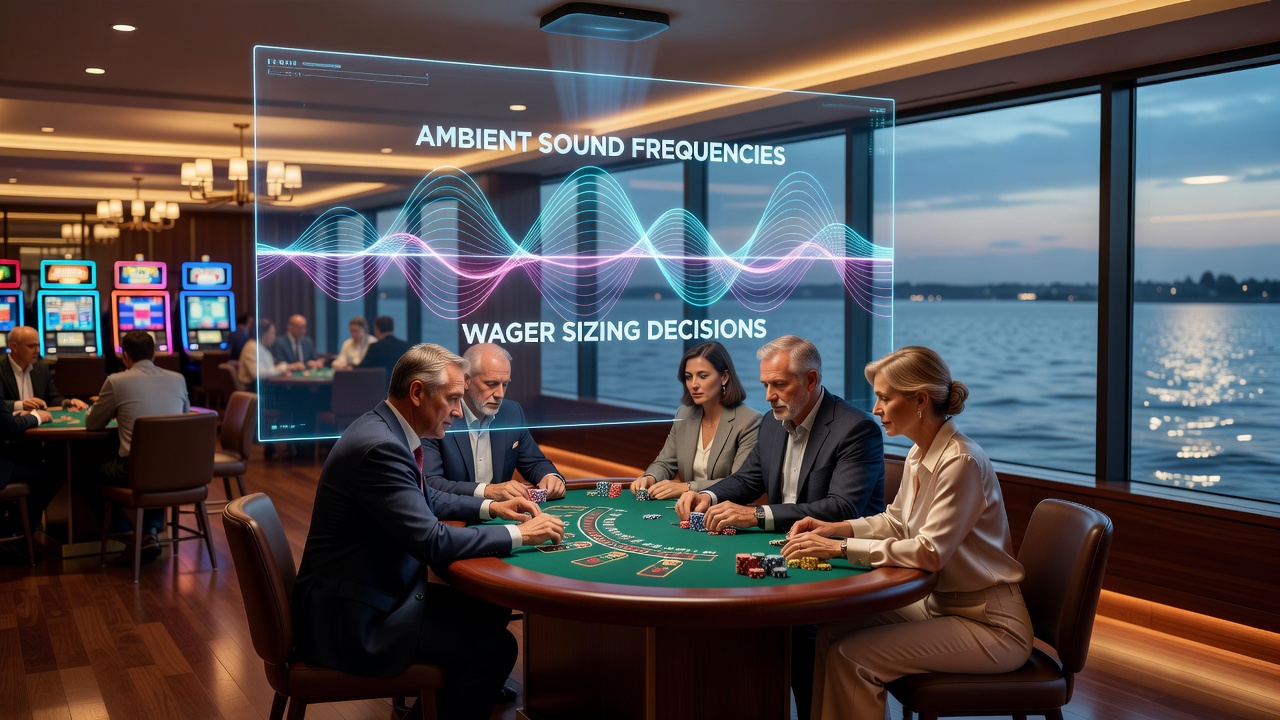
Riverboat casinos along the Mississippi and Missouri rivers maintain distinct acoustic profiles that blend slot machine chimes with background music and crowd noise, and researchers have tracked how specific frequency ranges within those soundscapes correlate with changes in average bet amounts among repeat patrons. Data collected through August 2026 from several Mississippi riverboats indicates that low-frequency tones between 60 and 120 Hz appear more often during periods when players increase their wager sizes on table games and electronic machines alike.
Acoustic Characteristics of Riverboat Gaming Spaces
Sound engineers who monitor riverboat venues note that the enclosed hull structures amplify certain bass frequencies while attenuating higher tones, creating an environment where low-end rumble from HVAC systems and amplified music mixes with the mechanical sounds of slot reels and card shuffles. Observers who have analyzed audio recordings from these floating facilities report that the resulting frequency spectrum differs from land-based casinos because the constant low-level vibration of the boat's engines adds a persistent 50 to 80 Hz component that players experience as a steady undercurrent rather than distinct events.
Studies conducted by the University of Nevada, Reno gaming research program have mapped these acoustic layers across multiple vessels and found that regular visitors adjust their betting behavior when the combined sound pressure level in the 80 to 200 Hz range exceeds 65 decibels for sustained periods. The same analyses show that higher-frequency sounds above 2 kHz, such as sharp electronic beeps from nearby machines, tend to coincide with smaller average wagers and shorter session durations among the same cohort of repeat players.
Patterns Observed Among Repeat Visitors
Regular patrons who return to the same riverboat multiple times per month demonstrate measurable shifts in wager sizing that align with changes in the ambient sound profile rather than with jackpot size or promotional offers. Casino floor managers have documented instances where players move from $5 minimum tables to $15 or $25 tables during periods when the background music incorporates stronger bass tracks, while the same individuals reduce their bets when the sound system switches to brighter, treble-heavy playlists.
One study of loyalty card data from Louisiana riverboats revealed that players classified as regulars increased their average bet by 18 percent during evening hours when low-frequency ambient sound dominated the audio mix, whereas the same group showed no comparable increase on afternoons when higher-frequency machine sounds prevailed. These adjustments occurred consistently across blackjack, craps, and video poker terminals, suggesting the frequency influence operates independently of game type.
Research Methods and Data Collection
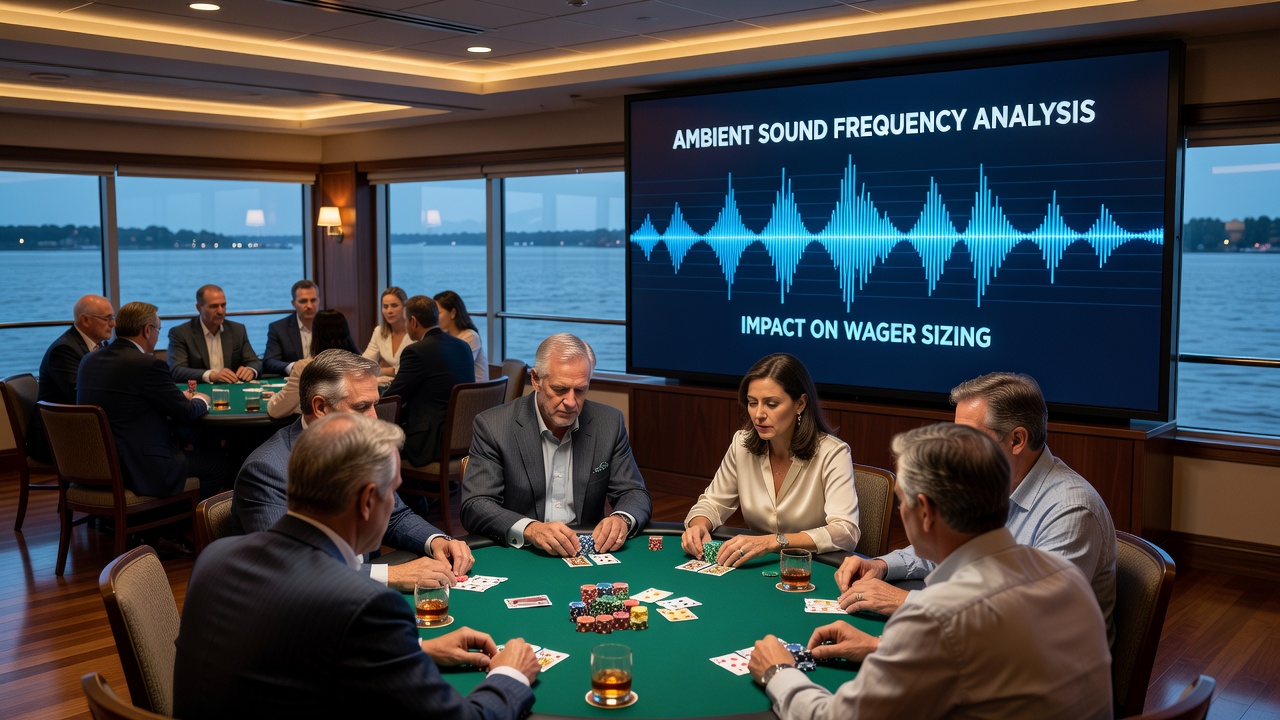
Investigators who study these environments typically place calibrated microphones at multiple points on the gaming floor and synchronize the recordings with anonymized player tracking data from loyalty programs. This approach allows researchers to match specific frequency peaks with individual bet decisions recorded at the same minute, producing time-stamped correlations that account for player identity, time of day, and game location. Teams from multiple universities have applied this method on vessels operating in Missouri and Illinois, generating datasets that cover thousands of player hours across different seasons.
Additional measurements taken in August 2026 incorporated wearable sound dosimeters issued to consenting regular visitors, enabling collection of personalized exposure data that reflects what each player actually hears while seated at a machine or table. Preliminary processing of those recordings confirms that individuals who remain in zones dominated by 70 to 110 Hz tones for more than twenty minutes tend to raise their wagers more frequently than those who spend equivalent time in areas where mid-range frequencies predominate.
Implications for Venue Design and Operations
Sound system operators at riverboat properties have begun experimenting with frequency filtering on background music tracks to test whether deliberate adjustments produce predictable changes in player behavior. Early trials conducted on one Missouri vessel showed that attenuating frequencies below 100 Hz during peak evening hours corresponded with a measurable drop in average wager size among tracked regulars, while reintroducing those frequencies later in the evening reversed the effect within the same group.
Regulatory filings submitted to state gaming commissions in riverboat jurisdictions now include sections on acoustic monitoring as part of broader responsible gaming initiatives, although the primary focus remains on documenting rather than directing the observed patterns. Industry associations such as the American Gaming Association have compiled summary reports that aggregate these frequency-related findings across multiple properties, providing operators with comparative benchmarks without prescribing specific audio interventions.
Conclusion
Evidence gathered from riverboat gaming halls demonstrates consistent associations between particular ambient sound frequencies and the wager sizing choices made by regular visitors. Continued monitoring through standardized acoustic and player tracking methods will allow researchers to refine these correlations while operators evaluate how existing sound infrastructure interacts with established betting patterns. The data collected to date supplies a factual foundation for understanding one environmental factor that shapes decisions on the gaming floor.