Tracing Interlinked Thresholds Between Session Volatility and Tiered Incentive Deployment in Cross-Platform Table Environments
Written by Jakob Sullivan · Jul 20, 2026
Tracing Interlinked Thresholds Between Session Volatility and Tiered Incentive Deployment in Cross-Platform Table Environments
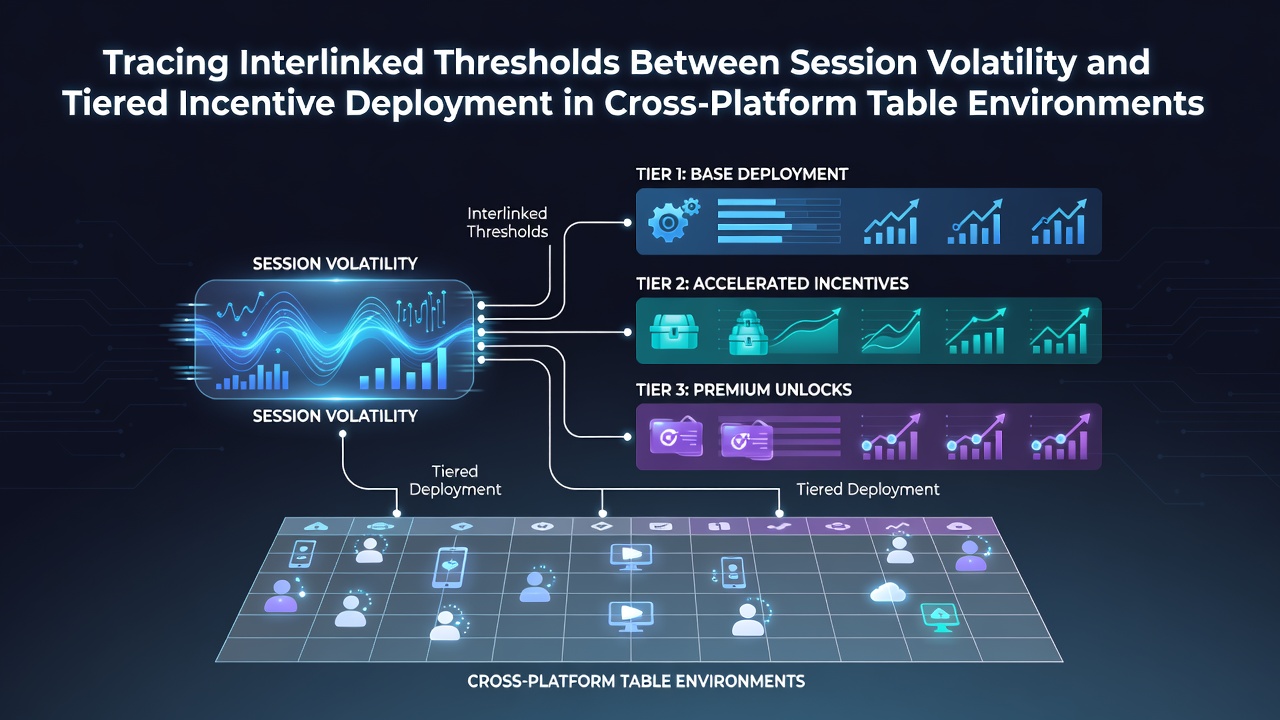
Session volatility in table environments refers to fluctuations in player outcomes during individual gaming periods across physical and digital platforms, and these patterns connect directly to how operators structure tiered rewards. Data collected from multi-platform table operations in 2025 and early 2026 shows that volatility thresholds often determine when incentive layers activate, shift, or expand to stabilize participation rates. Researchers tracking these metrics note that high-volatility sessions, marked by rapid bankroll swings in games such as blackjack and baccarat, frequently precede adjustments in reward tiers that reward extended play or specific bet volumes. Operators deploy tiered incentives through loyalty frameworks that categorize participants according to cumulative activity, yet the timing of these deployments aligns with volatility signals gathered from session data. In cross-platform settings, where players move between land-based tables and online interfaces, the same volatility metrics appear in both environments, which allows centralized systems to apply consistent threshold triggers. Figures from North American gaming reports indicate that sessions exceeding a 35 percent standard deviation in hourly outcomes trigger automatic evaluation of bronze-to-silver tier promotions within 48 hours.Defining Volatility Thresholds in Table Play
Volatility thresholds emerge when session data crosses predefined statistical boundaries that operators monitor through real-time analytics platforms. These boundaries incorporate metrics such as win-rate variance, average bet size deviation, and duration until a predetermined loss limit occurs. Observers note that table games generate clearer volatility signals than slot products because bet decisions remain visible and sequential, which enables precise logging across both dealer-managed and automated table systems.
July 2026 data releases from several regional markets revealed elevated volatility in multi-table tournaments conducted simultaneously on physical and virtual felt, prompting operators to recalibrate incentive entry points for mid-tier rewards. The Alcohol and Gaming Commission of Ontario published aggregate figures showing that sessions classified as high volatility accounted for 28 percent of total table handle during the second quarter, a level that coincided with expanded deployment of silver-tier reload credits.
Tiered Incentive Structures Across Platforms
Tiered systems typically progress through four or five levels, each unlocking distinct benefit packages that include cashback percentages, tournament entry waivers, and personalized table limits. Deployment occurs when cumulative play metrics reach operator-defined targets, but recent implementations tie these targets to volatility-adjusted formulas rather than raw volume alone. This adjustment accounts for the fact that high-volatility players often generate larger theoretical win values per session despite shorter average durations.
Cross-platform integration requires unified player profiles that aggregate activity from casino floors and mobile applications, and this unification allows thresholds to function consistently regardless of access point. A study released by the University of Nevada, Las Vegas International Gaming Institute documented that operators using volatility-weighted tier calculations recorded a 14 percent improvement in retention among players who crossed from physical to digital tables within the same 30-day window.
Interconnections Between Volatility Signals and Incentive Timing
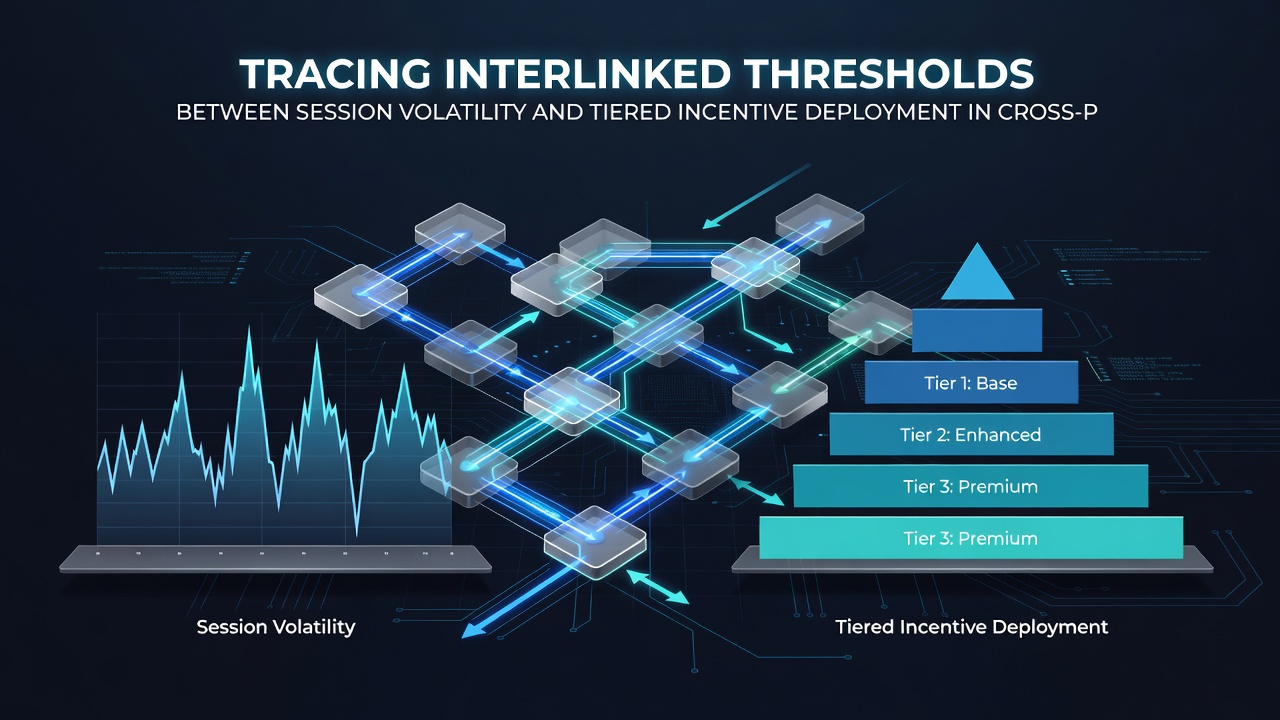
Threshold linkages become visible when volatility spikes prompt earlier or more generous incentive offers to prevent abrupt session termination. For instance, when a player's running standard deviation exceeds the 40 percent mark during a live dealer sequence, automated systems may advance that individual into the next reward tier without requiring additional volume accumulation. This mechanism operates because operators have observed that sustained high-volatility play correlates with elevated lifetime value once players remain engaged long enough to experience compensatory wins.
European operators participating in the European Gaming and Betting Association data-sharing initiative reported similar patterns during 2026 testing phases, where volatility-triggered tier advancements reduced player churn by measurable margins in roulette and poker environments. The interconnection extends further when platforms share real-time feeds, allowing an incentive deployed on a mobile table interface to appear instantly on a land-based player card system.
Regional Implementation Patterns Observed in 2026
Markets in Asia-Pacific regions adopted volatility-linked incentives earlier than many North American jurisdictions, partly because table game density remains higher in integrated resorts. Singapore's Casino Regulatory Authority released quarterly summaries in July 2026 that included volatility distribution charts for baccarat sessions, highlighting how mid-tier incentives activated more frequently during periods of elevated variance. Those summaries also noted that cross-platform players who received tier advancements based on volatility thresholds maintained higher average session lengths than peers who progressed solely through volume milestones.
North American properties have begun incorporating these thresholds into existing loyalty engines, often starting with pilot programs limited to high-limit table pits before expanding to mass-market areas. The approach requires robust data infrastructure capable of distinguishing between random variance and systemic game changes, yet operators report that the investment yields clearer predictive models for incentive budgeting.
Conclusion
Tracing the thresholds that link session volatility to tiered incentive deployment reveals operational strategies that adapt reward timing to statistical patterns rather than fixed calendars. Cross-platform table environments provide the data granularity needed to identify these linkages, and July 2026 figures demonstrate continued refinement of such systems across multiple regulatory jurisdictions. Continued monitoring of volatility metrics alongside incentive outcomes will likely produce additional refinements in how operators manage player progression across digital and physical table formats.