Tracing Patron Circulation Patterns Through Multi-Tiered Entertainment Complexes in Coastal Regions
Written by Jordan Russell · Aug 19, 2026
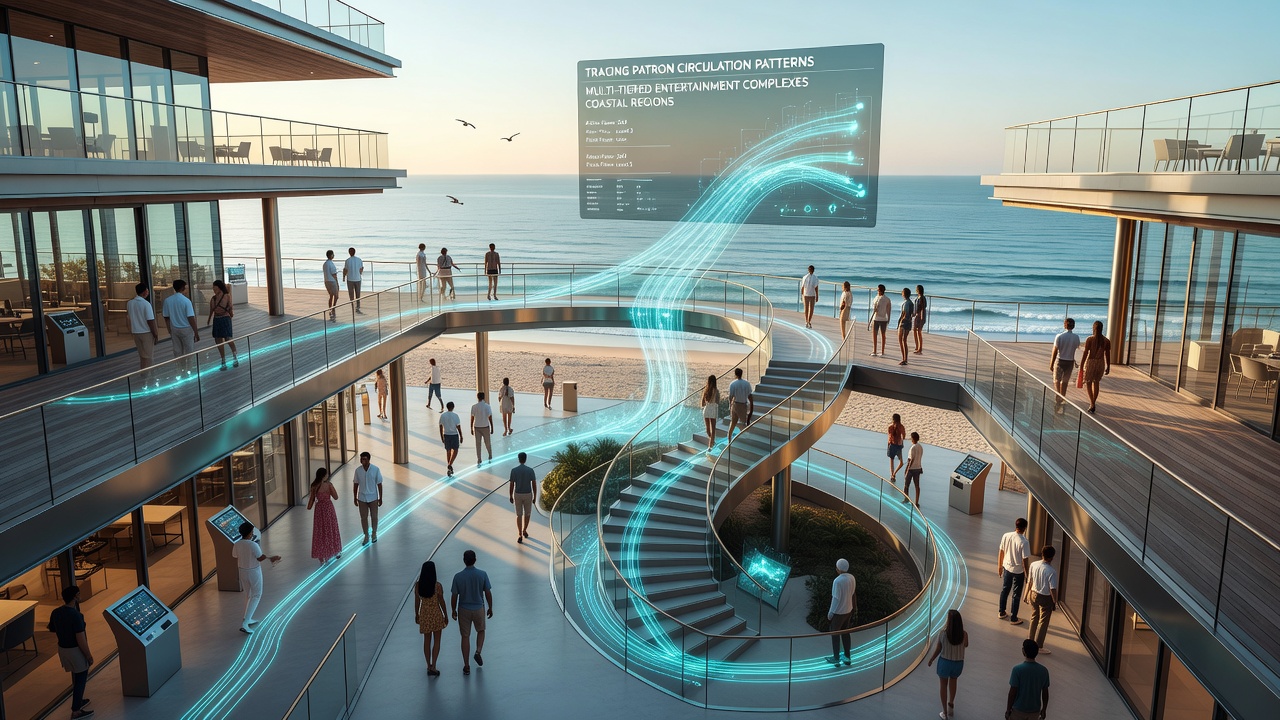
Tracing Patron Circulation Patterns Through Multi-Tiered Entertainment Complexes in Coastal Regions
Coastal entertainment complexes often feature stacked floors that combine gaming floors, dining venues, retail spaces, and outdoor decks, and operators track how visitors move through these layers using sensors, WiFi signals, and video analytics. Researchers have documented circulation routes that shift with tides, weather changes, and event schedules, while data collected from facilities along the Gulf Coast and Mediterranean shores show distinct morning versus evening flow patterns. According to industry reports from the American Gaming Association, facilities in these regions integrate real-time mapping tools that record entry points, dwell times, and exit sequences across multiple tiers.
Technologies Deployed for Movement Analysis
Facilities employ RFID wristbands, Bluetooth beacons, and overhead camera grids that capture anonymized position data at intervals of seconds rather than minutes, and these systems feed into central dashboards that highlight bottlenecks near escalators or bar counters. One study conducted by coastal resort operators in Florida combined cellular pings with point-of-sale timestamps to map how guests transition from ground-level pools to upper-level lounges during peak summer months. Observers note that such layered data sets allow managers to adjust staffing at high-traffic nodes without relying on manual headcounts.
Regional Variations in Coastal Settings
Complexes along the Atlantic seaboard display stronger vertical circulation during evening hours when outdoor terraces draw crowds upward, whereas Pacific coast venues often see lateral movement between adjacent buildings connected by walkways that overlook the water. In August 2026, sensor logs from several California coastal properties recorded a measurable uptick in rooftop bar visits after sunset, coinciding with extended daylight and outdoor concert schedules. European operators along the French Riviera have reported similar patterns using comparable tracking suites, and cross-regional comparisons reveal that wind exposure on upper decks influences how long patrons remain on those levels before descending.
Multi-tiered layouts create natural decision points where visitors choose staircases, elevators, or ramps, and circulation studies quantify the percentage of guests who bypass intermediate floors entirely when heading toward signature attractions. Data from these installations indicate that promotional signage placed at mid-level landings can redirect foot traffic toward underutilized retail zones, and operators adjust digital displays based on hourly heat maps generated by the same sensor networks.
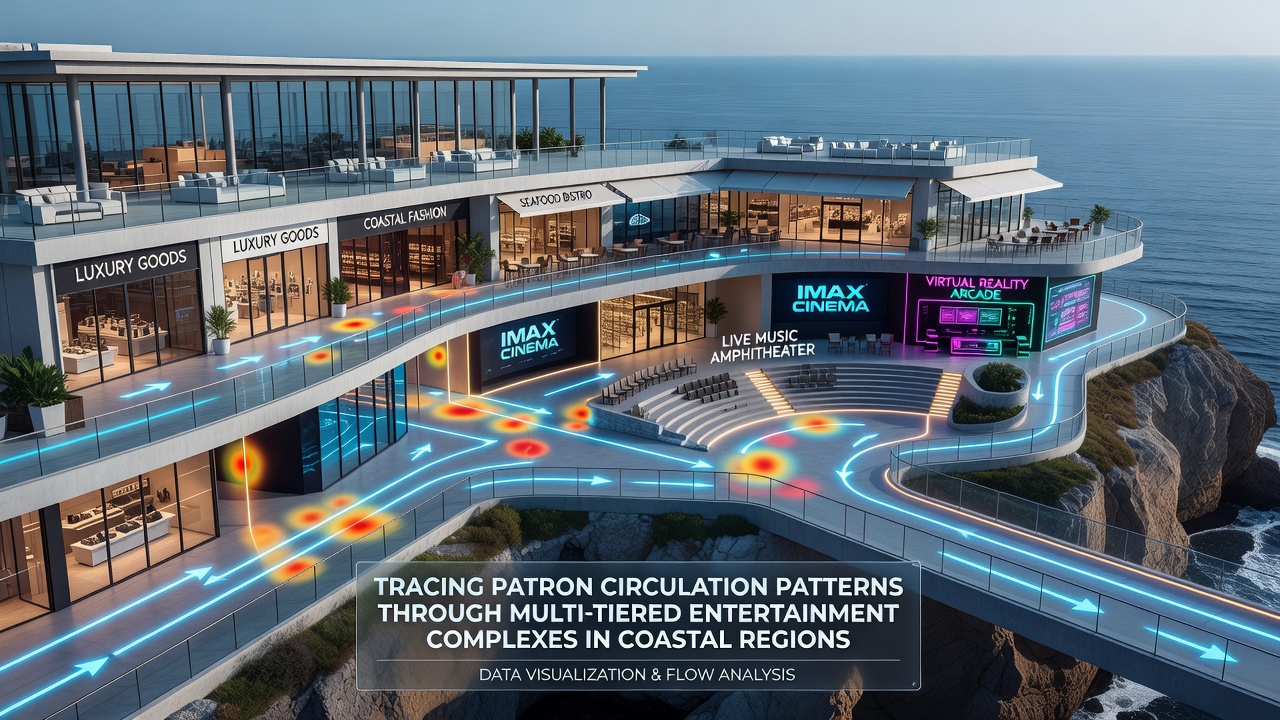
Data Integration and Operational Adjustments
Operators merge circulation datasets with weather feeds and event calendars so that predicted surges in outdoor deck usage can trigger earlier opening of secondary entrances, and this integration has reduced reported wait times at ground-floor security checkpoints during holiday weekends. Research teams at universities in Australia have examined similar complexes in Sydney and Gold Coast locations, finding that tidal schedules correlate with increased movement between indoor gaming areas and beachfront promenades. Their published findings show that complexes with direct beach access experience pronounced afternoon outflows toward external zones when wave conditions are favorable.
Coastal humidity and salt air affect sensor calibration, prompting facilities to install protective housings and conduct frequent cross-checks against manual audits, while software platforms normalize readings to maintain accuracy across changing environmental conditions. Those responsible for venue management often schedule maintenance windows during documented low-circulation periods identified through historical logs, minimizing disruption to guest movement.
Case Examples from Multiple Shorelines
One property in Atlantic City installed overhead tracking grids across four entertainment levels and documented that guests entering via the boardwalk side spend longer durations on the second tier compared with those arriving from the parking garage, prompting targeted marketing at garage elevators. Mediterranean operators have applied analogous methods to trace movement through rooftop pools and lower-level casinos, noting that shuttle boat arrivals create distinct pulses of vertical traffic that dissipate within forty-five minutes. These observations have informed decisions about temporary signage and staffing rotations without altering core architectural layouts.
Industry associations such as the European Casino Association compile anonymized circulation summaries from member properties to identify best practices for multi-level crowd management, and the resulting guidelines emphasize the value of combining multiple data streams rather than depending on any single tracking method. Academic papers from Canadian institutions have extended this work by modeling pedestrian simulations calibrated against real coastal resort data, providing operators with predictive tools for layout changes.
Conclusion
Tracing patron circulation in multi-tiered coastal entertainment complexes relies on integrated sensor networks, regional environmental factors, and cross-referenced operational records that together produce actionable movement profiles. Facilities continue to refine these approaches through ongoing data collection and collaboration with research partners, yielding consistent records of how visitors navigate layered spaces under varying seasonal and daily conditions.