Uncovering How Regional Tax Policies Reshape Bonus Allocation Patterns in Cross-Border Digital Wagering Platforms
Written by Jakob Sullivan · Aug 1, 2026
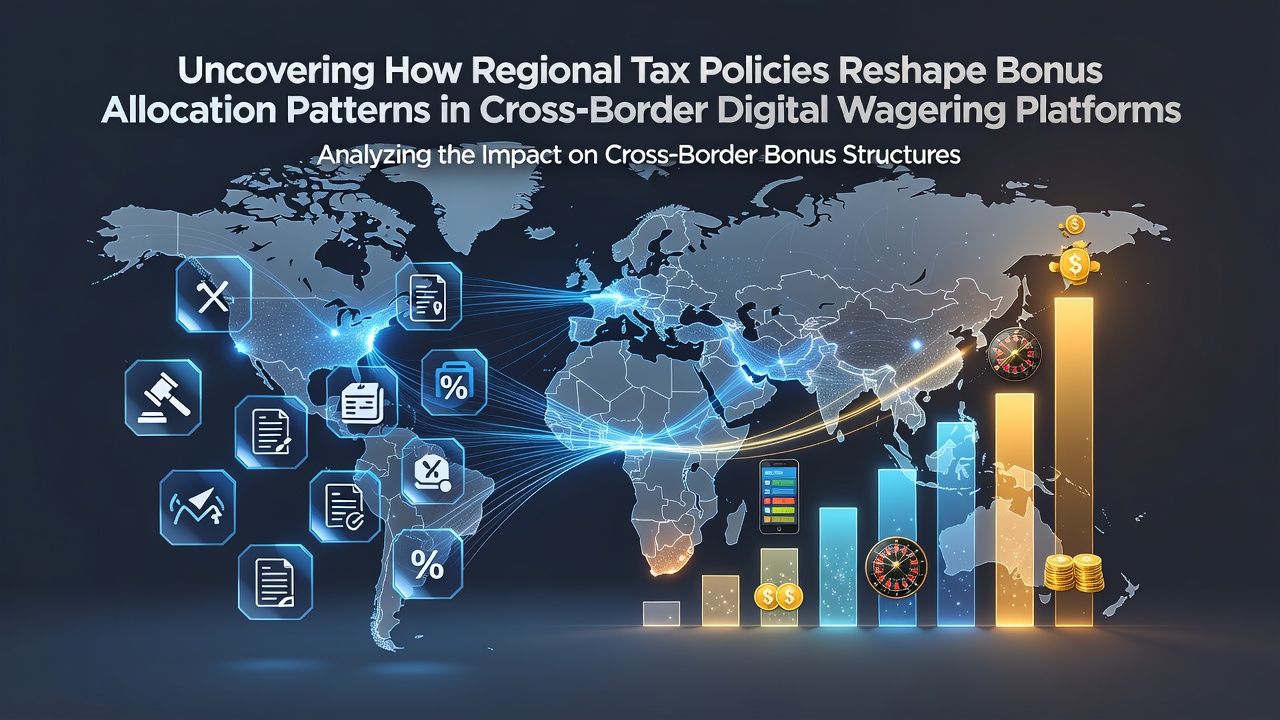
Uncovering How Regional Tax Policies Reshape Bonus Allocation Patterns in Cross-Border Digital Wagering Platforms
Regional tax policies exert direct influence on how cross-border digital wagering platforms structure and distribute bonuses, and operators adjust allocation strategies in response to varying fiscal frameworks across jurisdictions. Data from multiple regulatory environments shows that higher tax burdens on gaming revenue often lead platforms to shift bonus offerings toward non-cashable forms or loyalty-based rewards rather than immediate deposit matches.
Tax Structures Across Key Markets
European jurisdictions apply point-of-consumption taxes that range from 15 percent in some member states to over 25 percent in others, and these differences prompt platforms to recalibrate bonus percentages and wagering requirements accordingly. Operators serving multiple countries consolidate player data to identify where tax liabilities reduce net margins, and they respond by lowering bonus values in high-tax zones while maintaining higher offers in lower-tax areas. In North America, state-level variations create similar pressures, with certain markets imposing combined state and federal levies that exceed 30 percent on adjusted gross revenue.
Australian regulations impose a goods and services tax alongside specific gaming levies, and platforms licensed in that region report reallocating promotional budgets toward free spins and cashback structures that defer tax recognition. Canadian provincial frameworks, particularly in Ontario, require operators to account for 20 percent tax on gross gaming revenue before bonus calculations, and this leads many international sites to segment bonus pools by player location to avoid overexposure.
Bonus Allocation Adjustments in Practice
Platforms use geo-fencing technology to present different bonus menus based on detected player jurisdiction, and internal reports indicate that bonus allocation patterns shift measurably within weeks of tax policy announcements. When a jurisdiction raises its gaming tax rate, operators frequently reduce the maximum bonus amount available to residents of that area while increasing wagering multipliers to extend playtime and recoup costs through volume. Studies from academic research centers tracking digital wagering behavior confirm that players in higher-tax regions receive more frequent but smaller loyalty rewards compared with those in lower-tax markets.

August 2026 data releases from several oversight bodies highlight continued divergence in bonus patterns, with platforms reporting that tax differentials account for up to 18 percent variation in average bonus value offered across borders. Operators monitor compliance costs closely because failure to align bonus terms with local tax rules can trigger penalties that further erode margins.
Cross-Border Platform Responses
Multi-jurisdictional operators maintain separate bonus ledgers for each licensed market and apply dynamic pricing models that factor in real-time tax obligations. When tax authorities in one region announce upcoming increases, platforms accelerate bonus reductions for that market while expanding offers elsewhere to maintain overall player engagement metrics. Industry analyses from organizations such as the European Gaming and Betting Association document how these reallocations preserve platform profitability without violating terms of service in any single jurisdiction.
Payment processor integrations play a supporting role because bonus funds often flow through localized gateways that already embed tax reporting, and this infrastructure allows platforms to automate allocation changes based on player IP and account registration data. Research from university economics departments examining wagering ecosystems shows that platforms with robust cross-border capabilities achieve more stable retention rates by distributing bonus exposure proportionally to tax burden.
Regulatory Monitoring and Compliance
Regulators in multiple regions now require platforms to disclose bonus terms that reflect tax-inclusive calculations, and this transparency pushes operators to standardize reporting formats across their international operations. In practice, companies track bonus issuance against revenue by jurisdiction and adjust future allocations quarterly to stay within fiscal guidelines. Those who study these systems note that platforms increasingly rely on third-party compliance tools to simulate tax impacts before launching new bonus campaigns.
Conclusion
Regional tax policies continue to drive measurable changes in bonus allocation across cross-border digital wagering platforms, and operators respond through segmentation, dynamic adjustments, and infrastructure investments that align promotional spending with fiscal realities. Figures released through mid-2026 illustrate ongoing adaptation as platforms balance regulatory demands with competitive bonus offerings in each market they serve.